







AEC Focus: Hans Burmann AEC

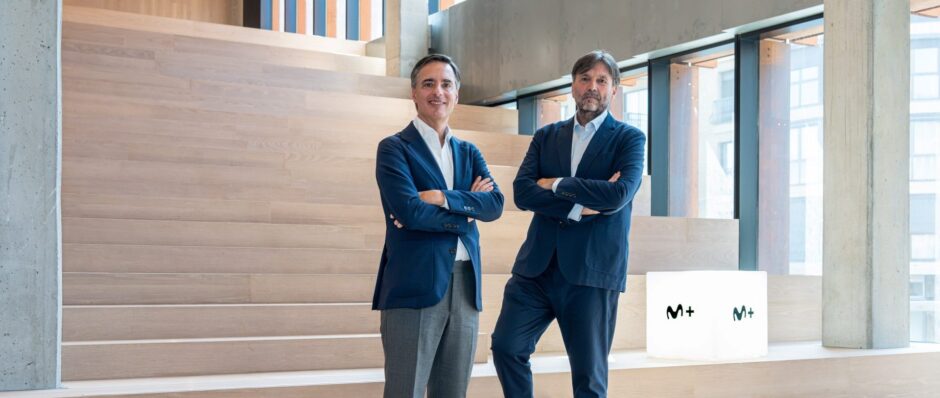
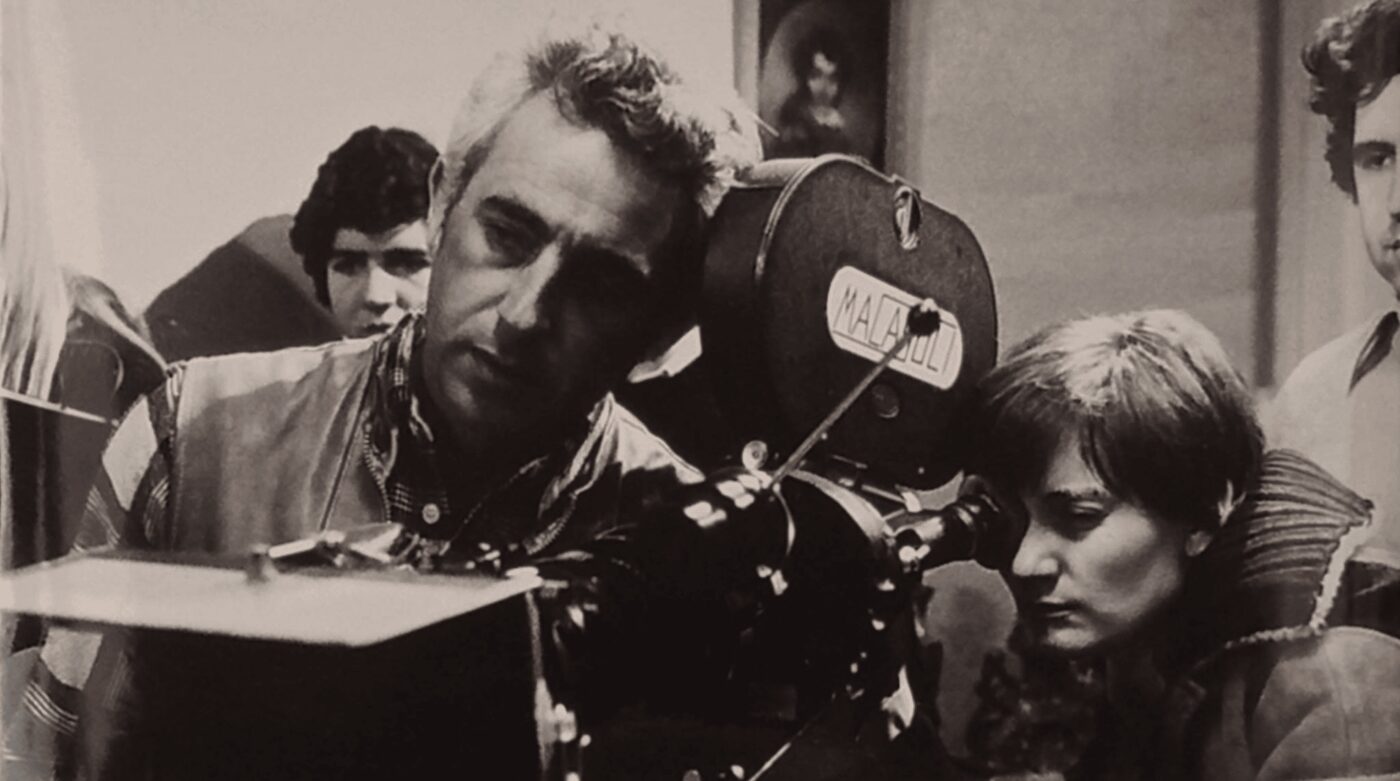
Hans Burmann, cinematographer and emeritus member of the AEC, is one of the key figures in Spanish cinematography. Over a career spanning more than five decades, he has shot landmark Spanish films such as The Crime of Cuenca, The Beehive and The Holy Innocents. His work has helped create some of the most memorable images of Madrid on screen, particularly in Thesis and Open Your Eyes, where the city itself becomes a powerful narrative element.
Madrid has been a key setting throughout your career. What makes it so cinematic?
Madrid has a very distinctive contrast between the old and the modern. It retains the traditional character of its old bars, Plaza Mayor, the Literary Quarter, El Retiro and the emblematic buildings of Gran Vía, while at the same time existing as a thoroughly contemporary city. That combination gives it tremendous personality and provides very different kinds of settings in which to tell stories.
The empty Gran Vía in Open Your Eyes has become an iconic image. What do you remember about shooting it?
Alejandro Amenábar wanted to show a Madrid that was immediately recognisable, but completely empty. We had to take advantage of a Sunday in August and organise a very complex operation. That shot was filmed months before principal photography began and, above all, it was a major production and coordination challenge. Later, during the shoot itself, we filmed other empty streets under much more controlled conditions.
How has Madrid changed, and what does it retain of its cinematic potential?
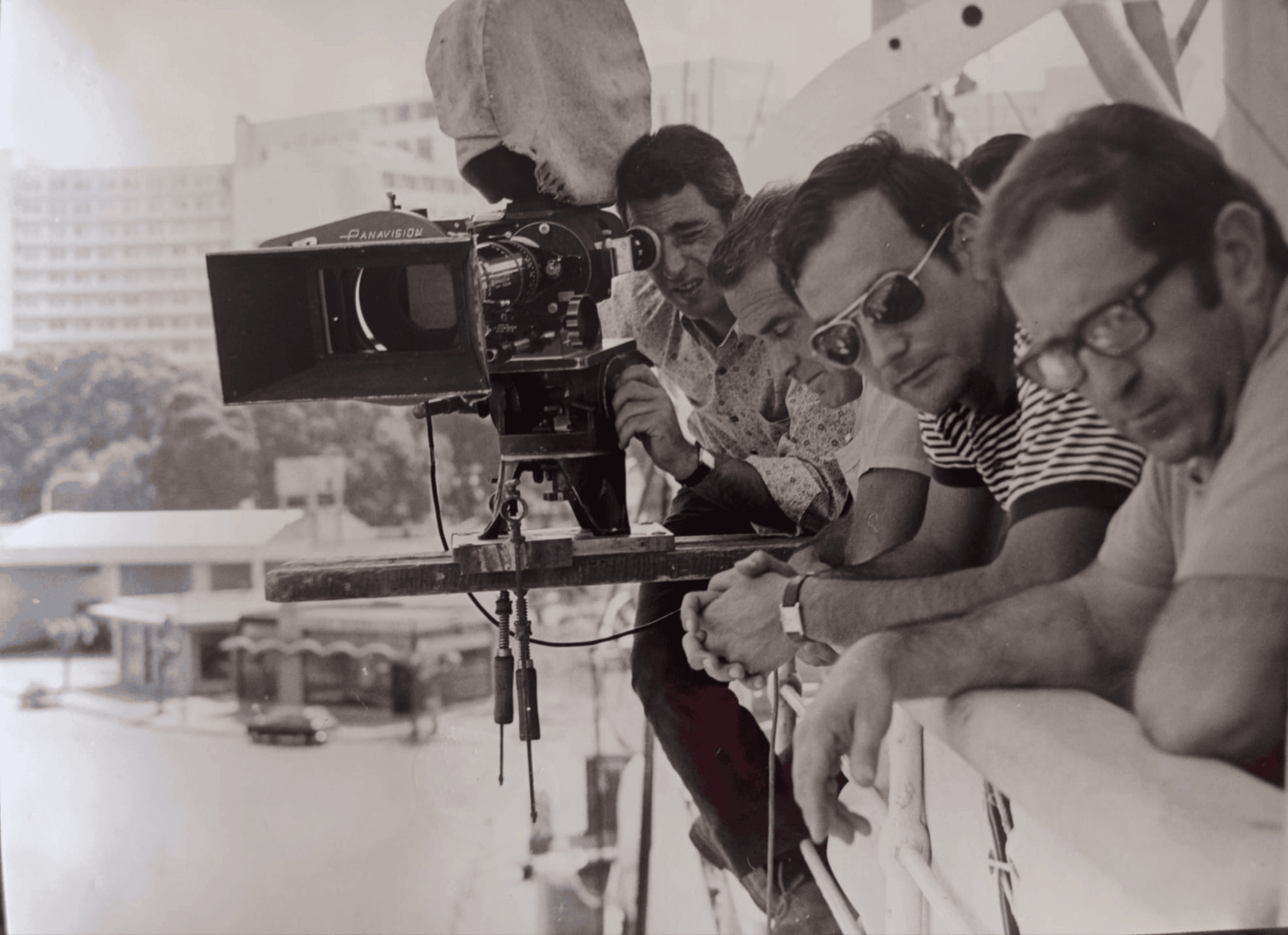
When I started out, in the 1950s, Madrid had a personality and a sense of history that have gradually been lost. Wherever you placed the camera, it felt as though you were framing a painting. Today, when shooting a period film, you often have to leave Madrid, although the city still retains some very iconic locations with enormous cinematic potential.
You have worked with very different directors. How did you adapt your cinematography to each of them?
I always tried to adapt to each director. Over time, a relationship of trust would develop and they would end up listening to many of my observations. Amenábar thought through every shot and, despite being very young, already had an astonishingly strong command of cinematic language. Mario Camus came to the set having studied the film in great detail and gave me a lot of freedom; we worked as a team. Pilar Miró was more argumentative — she liked to challenge you — but we understood each other very well.
My job was to help them tell the film they had in their heads. If I had to define one hallmark of my work, I would say that I always wanted the eyes to be visible in people’s faces. A person’s gaze expresses more than anything else.
What makes cinematography stay in the audience’s memory?
I have been fortunate enough to take part in great films with very good stories. Cinematography does not endure on its own; it stays with you when it is part of a great film. The audience remembers the whole.
Alejandro Ulloa taught me that certain sequences give a film its personality and deserve special attention because they may remain in the audience’s memory forever.
Was every film a new challenge?
It was a blank page. I never tried to repeat formulas. I looked for a different way of photographing the story or moving the camera. I adapted to the director and to the story, but I always tried to bring a fresh perspective. I never had a fixed method; I worked very much by intuition and according to what each film needed.
What advice would you give to a cinematographer who is just starting out?
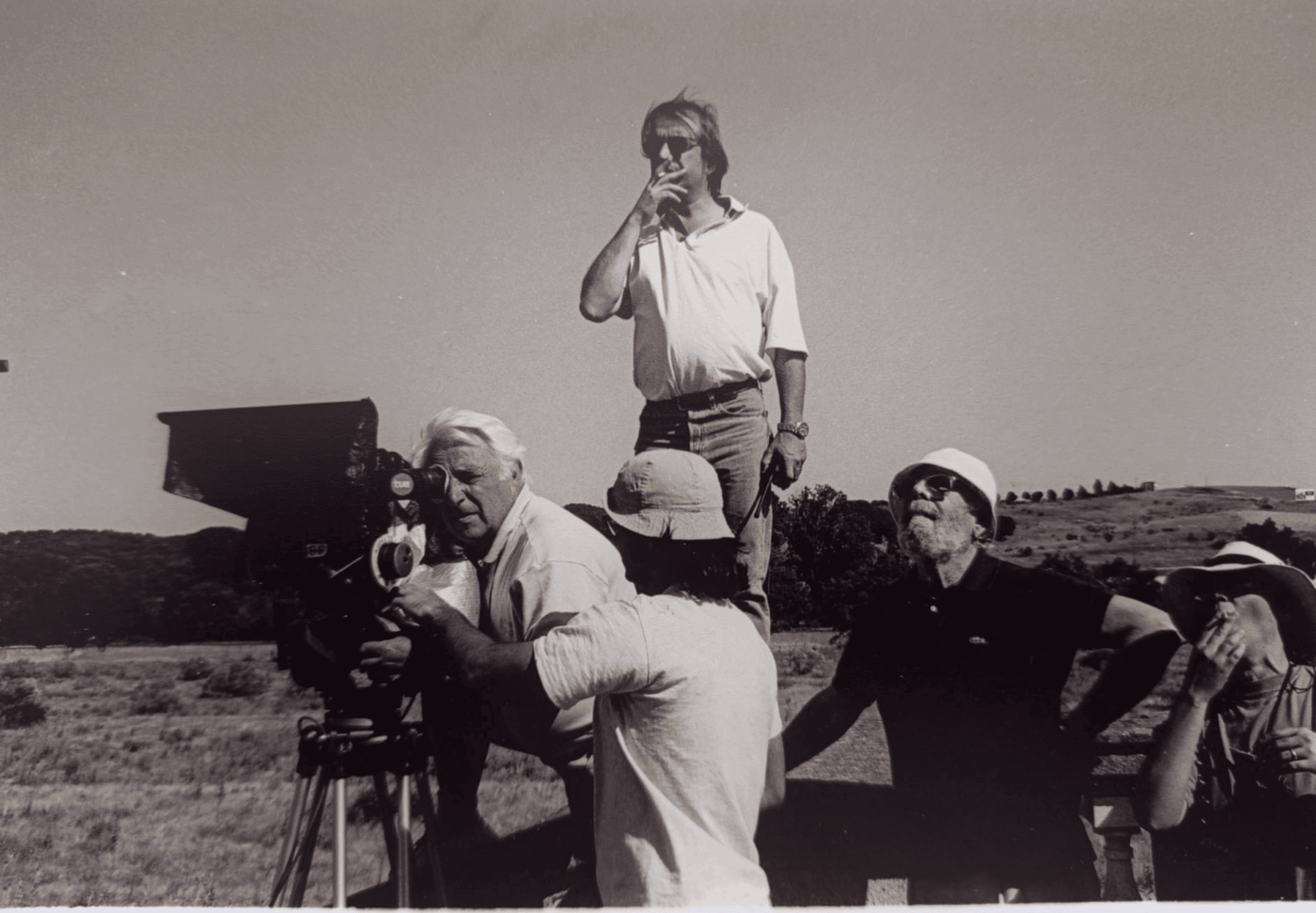
Watch a lot of films, look at a lot of art and observe life in the streets. All of that feeds creativity. And, above all, work very hard and be persistent. Never be selfish: the director is the central figure, and our job is to help them make the best film possible.
What does being part of the AEC mean to you?
The AEC is a place where you can share ideas, experiences and opinions with colleagues who face the same problems and have the same aspirations. We are all in the same boat. An association like this helps us grow professionally, encourages a sense of community and strengthens the profession.
Can you recommend three essential films?
More than for their cinematography, I would recommend them for their overall achievement: ‘The Executioner’, by Luis G. Berlanga, because it is an absolutely complete film; ‘Aunt Tula’, by Miguel Picazo, because it shows how much can be conveyed through simplicity; and ‘Thesis’, by Alejandro Amenábar, because it represented a new and modern way of understanding Spanish cinema. As for cinematographers, I would highlight Pepe Aguayo, for the simplicity and effectiveness with which he lit large spaces; José Luis Alcaine, for his ability to innovate through lighting; and Javier Aguirresarobe, for the tremendous personality of his images and his constant pursuit of excellence.