







EL MAL HIJO: AN IMPERFECTLY PERFECT DEBUT

“I started out very cautiously, with doubts, insecurities and enormous respect, and ended up pushing the negative to its absolute limit.”
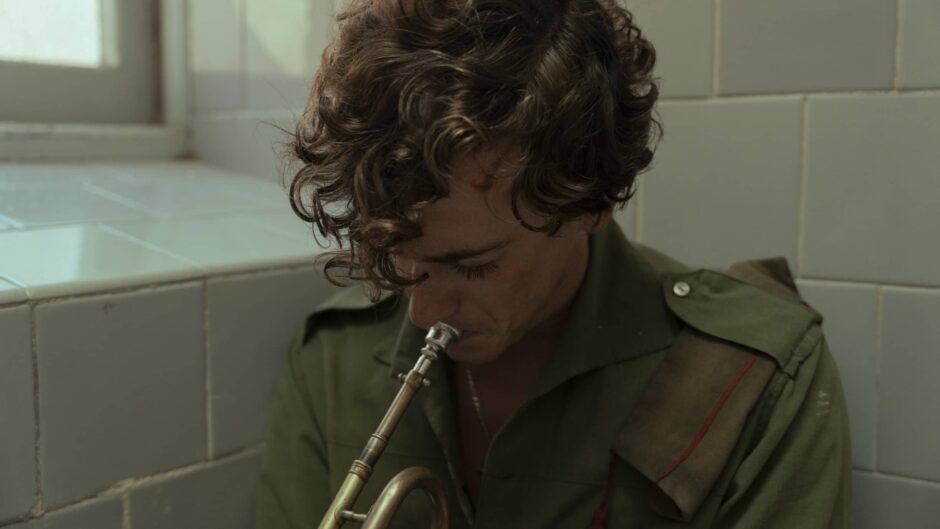
Photographed by Elías M. Félix AEC, Jaime Lorente’s directorial debut combines 16mm and 35mm film, extreme underexposure and organic textures to explore the family wounds passed down through generations.
By Carmen V. Albert
After the premiere of El mal hijo in the New Directors section of the San Sebastián International Film Festival, we met cinematographer Elías M. Félix AEC at Madrid’s Verdi cinemas to discuss his work on actor Jaime Lorente’s daring directorial debut. Lorente emphasises how essential the cinematography was to the outcome of this elliptical adaptation by Salvador S. Molina of his own novel, which explores addiction and family trauma carried over from childhood. It is clear from the cinematographer’s words that both men thoroughly enjoyed a collaboration in which they took a leap into the unknown, committing wholeheartedly to the organic, imperfect aesthetics of 16mm and 35mm film.
When the producer of El mal hijo introduced Elías M. Félix AEC to Jaime Lorente, known for his role in Money Heist (La casa de papel), to photograph Lorente’s directorial debut, a single meeting was enough to bring the cinematographer on board. He had found the ideal creative partner with whom to explore a visual approach that was as risky as it was personal.
INTERVIEW WITH ELÍAS M. FÉLIX AEC, CINEMATOGRAPHER
Was shooting on film something Jaime had stipulated from the outset, or was it a decision you made once you joined the project?
I brought it up after reading the screenplay, at our first meeting. Jaime, who is very decisive and enthusiastic, said, “Yes, this film can only be shot on film.”
Even the night scenes?
Yes. At one point, for various reasons, we came very close to shooting the second part digitally. In the original screenplay, 80 per cent of that second part took place at night. We discussed whether shooting on film was worth it. But as the project progressed and we saw the results of the initial tests, we had no doubts about shooting it on film.
“I started out very cautiously, with doubts, insecurities and enormous respect for the medium, and ended up pushing everything the negative could do to its absolute limit.”
Did you run tests comparing film and digital?
Yes. You can manipulate a digital image in a thousand ways and take it wherever you like, but if you compare the raw material directly, it’s difficult not to find 35mm more appealing.
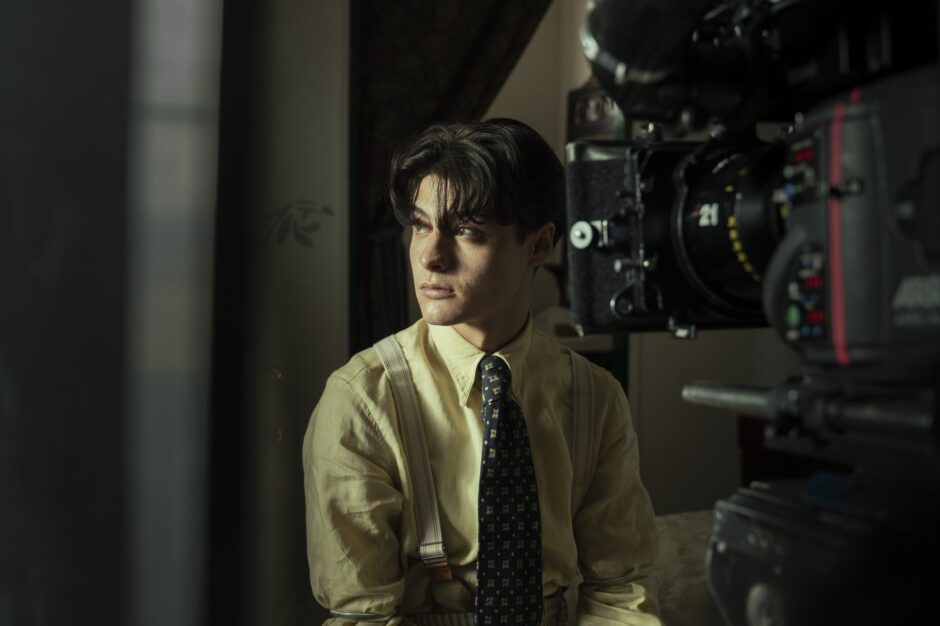
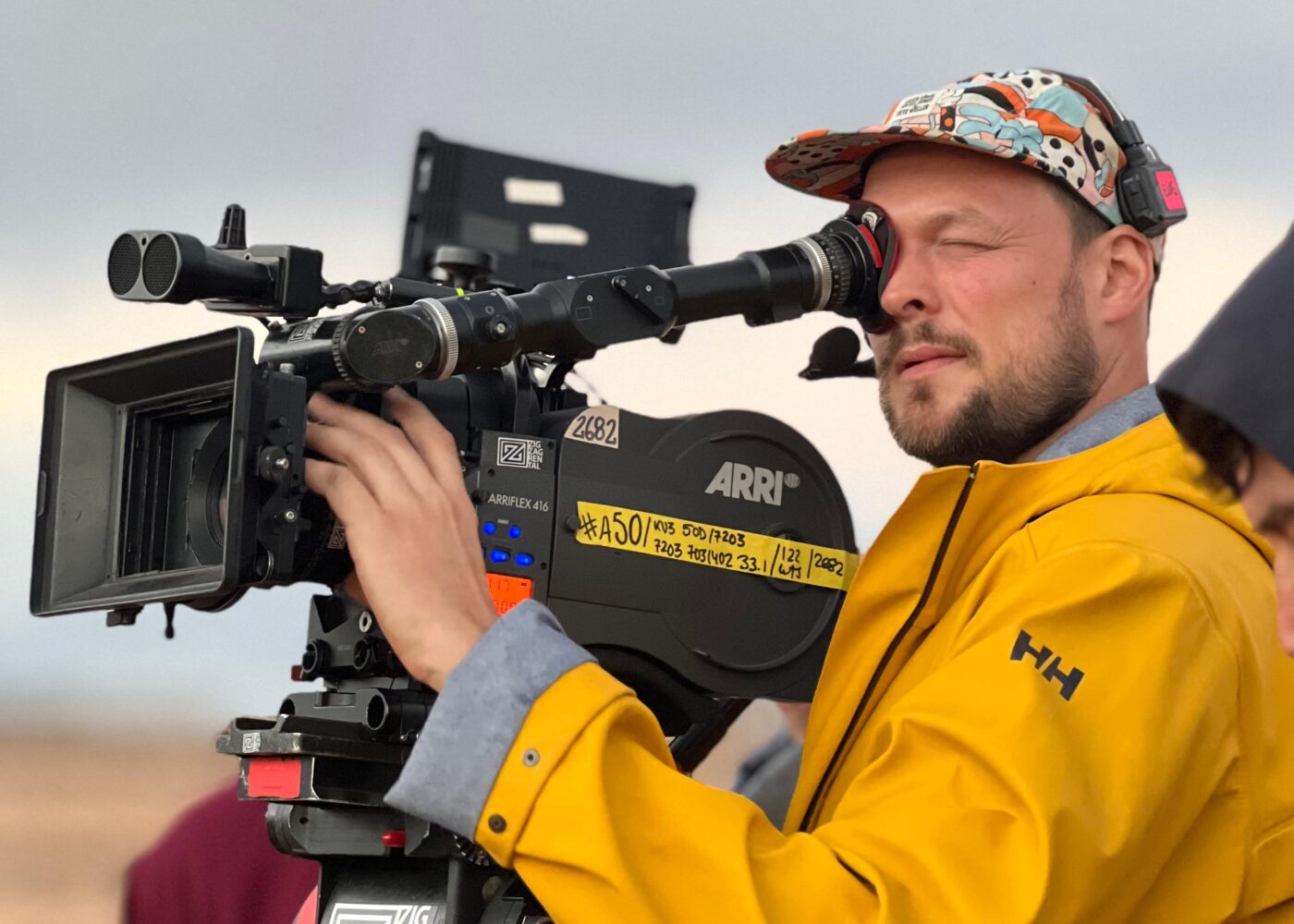
The film takes place in two periods: the first was shot with two 16mm cameras and the second with two 35mm cameras. For 16mm you used an ARRIFLEX 416 and an SR3 HS. Why those two models?
There was a scene in which we wanted to do speed ramps, slow motion and shutter-angle changes. The SR3 HS let us work with variable speed, whereas the 416 was more limited in terms of high-speed shooting. We wanted the 416 as our main camera because it is quieter and more comfortable to work with, so we ended up taking one of each and making the most of both.
I assume you’re referring to the sequence in which Rubén’s father is at a rave. How did you shoot it?
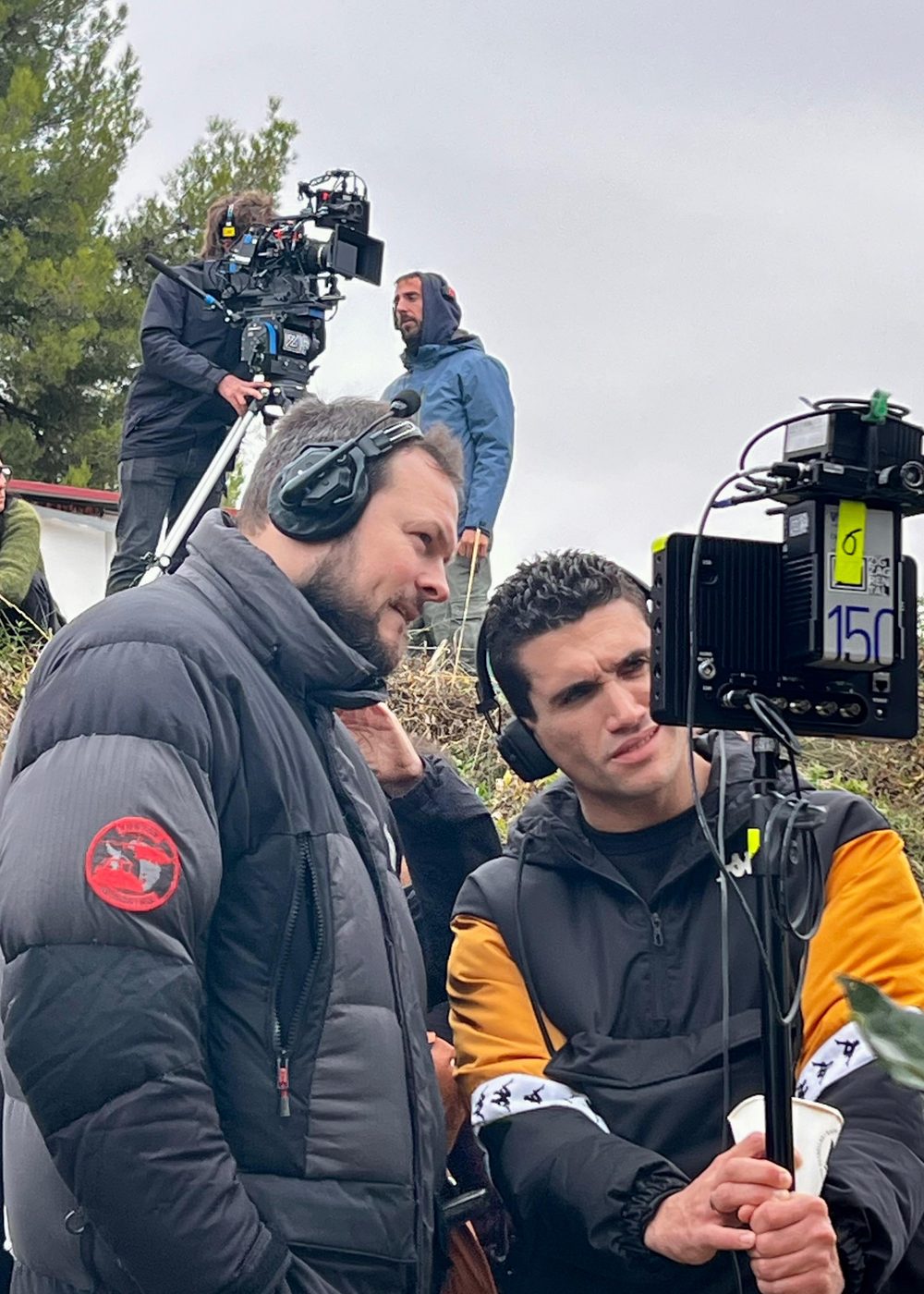
It was great fun. We set up the rave as though it were a real event and organised the actor and all the extras involved. Edu Canet operated the camera; I was handling the speed ramps and changing the frame rate, while Raül [Margalló] was simultaneously pulling the iris. Our gaffer, Paco Izaguirre, and an electrician accompanied us with a SkyPanel, changing the frequency of the flashes so everything remained synchronised. What we saw on the monitor was incredible.
We asked people to move faster or slower depending on the camera speed. It was a collective effort, with lots of people around the camera trying to coordinate all the changes to the rhythm of the music and dancing. The most important thing, and also the most difficult with the music so loud, was coordinating the extras: they had to behave as though they were moving in slow motion or very quickly, while our protagonist had to do the opposite. When everyone else moved fast, he moved slowly; when they moved slowly, he moved fast.
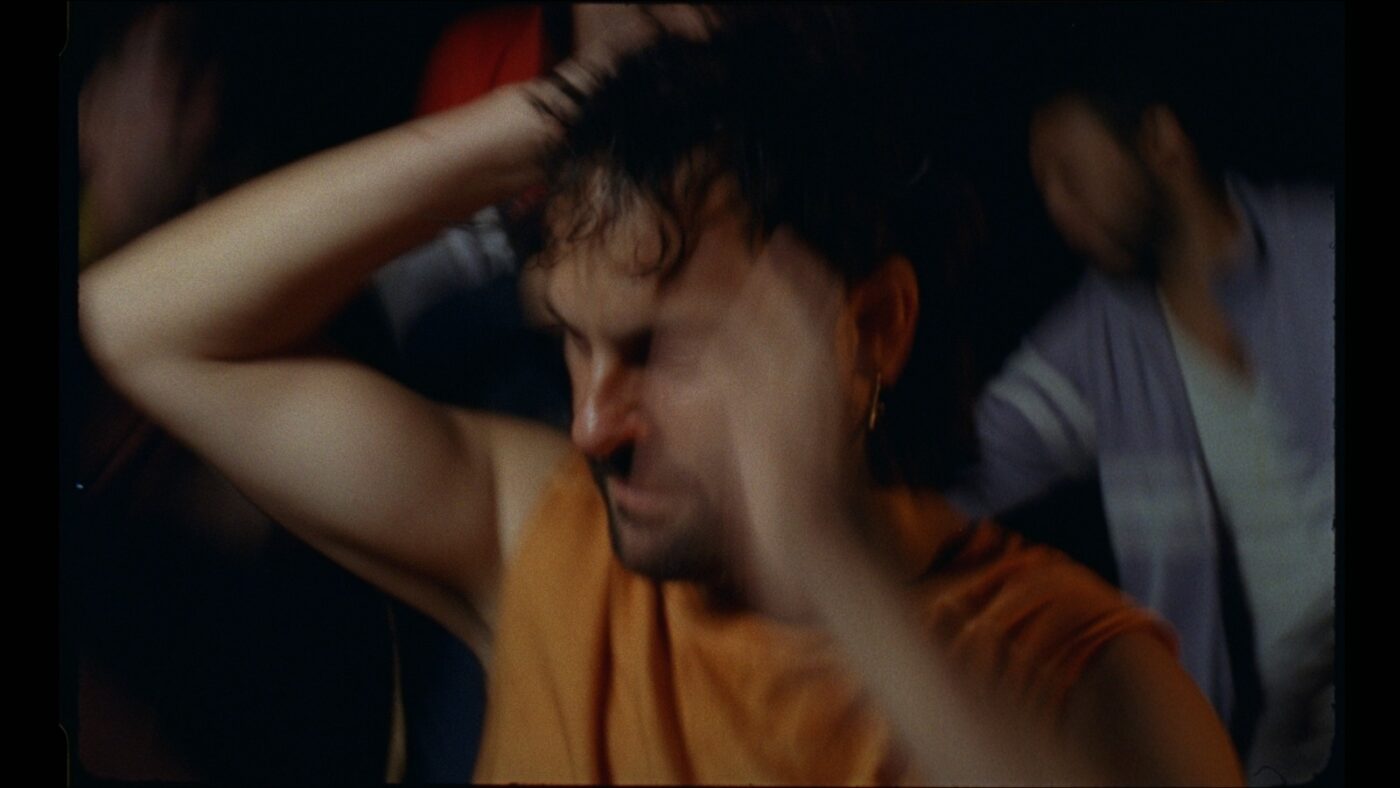
The Wong Kar-wai reference is clear. I remember an interview in which he explained how he used step printing, and your shooting technique shares that manipulation of time within the frame.
Yes, that was one of our main references. We did some wonderful tests, including interspersing black frames. I loved the result.
That sequence contains both daytime and night-time shots. Why?
The film has changed a great deal between the screenplay and the final edit. Originally, the rave appeared at two key moments, one during the day and the other at night. In the edit, they became a single sequence, mixing the two moments. I think it’s a brilliant idea: it conveys that loss of any sense of time that a rave can produce, condensing the passing of hours into barely two minutes.
The screenplay adapts a novel about the relationship between an absent father and his son at two different points in time.
Actually, the novel corresponds to the first part of the film, when the protagonist is a child. Jaime wanted to talk about the erosion of family ties, and it was very important to him to provide the counterpoint of the protagonist as an adult, showing the scars and the legacy of that upbringing.
It’s a very elliptical narrative, which makes the film something of a rarity. It’s unusual to take so many risks in the storytelling of a debut feature.
It was already like that in the screenplay, although in a very different way. Jaime had tremendous faith in what he was doing. He has a courageous personality; he’s not afraid to take risks or expose himself. He identifies very strongly with the film and is proud of what it conveys.
I was struck by how clearly he sees things. During preparation, we went through the entire screenplay, asking ourselves, sequence by sequence, what each one needed to communicate. If what a sequence was telling us had already been said, we cut it.
Jaime has tackled many scripts as an actor, and that experience explains his perspective and clarity. Although this is his first feature as a director, he’s a very mature filmmaker.
Which rental company did you work with, and where was the film processed?
Several productions shooting on film coincided in Madrid, and it wasn’t easy to find a rental company that could supply four cameras in optimum condition and send them to the Canary Islands. In the end, Zigzag in Barcelona came through for us. The film was processed in Rome.
Were you able to test the processes you wanted to use beforehand? What was your relationship with the laboratory like?
Yes, we did tests that helped put some of my concerns to rest while satisfying my curiosity. Communication with the lab was very smooth because there was a lot of push- and pull-processing. Every day we sent film cans with specific processing instructions, and the dialogue was constant from the very first day, despite the logistics of shooting in Madrid or the Canary Islands and sending the negative to Rome. As soon as the material was ready, they sent me stills and their observations, and we could discuss any changes I thought necessary.
The film has a very clear aesthetic direction. Jaime said in San Sebastián that you were both moving in the same direction.
Absolutely. Jaime is a very energetic person, with a mind that can work at extremely high speed. In some respects, I felt I provided a good counterbalance, and that we complemented each other very well. We shared the same passion and thoroughly enjoyed the creative process.
From the beginning, we set ourselves a lot of rules. One was to distil every sequence down to its essentials: use as little as possible, strip away the literary elements, peel back the layers, remove anything unnecessary and ask what we needed to communicate and how. If we could tell it in a single shot, that was our starting point, and we only added anything if we felt it improved the film.
It was a beautiful, very enriching process in which we felt completely in tune. One of the reasons I’m so fond of the result is that I believe all that preparatory work is fully reflected in the film, and every subsequent stage has managed to preserve its spirit.
Another rule was that the camera should always be on a tripod: it wasn’t allowed to move from its position, except in a few specific shots, and then only to follow the character. Any sense of movement or discovery of the space could come only from pans and, occasionally, tilts; we tried to make those as unobtrusive as possible so that all the energy remained in front of the camera.
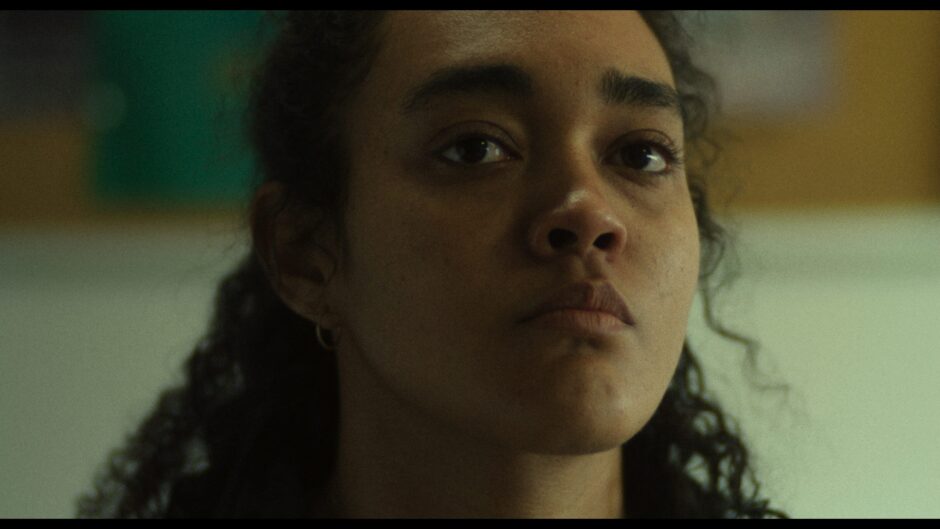
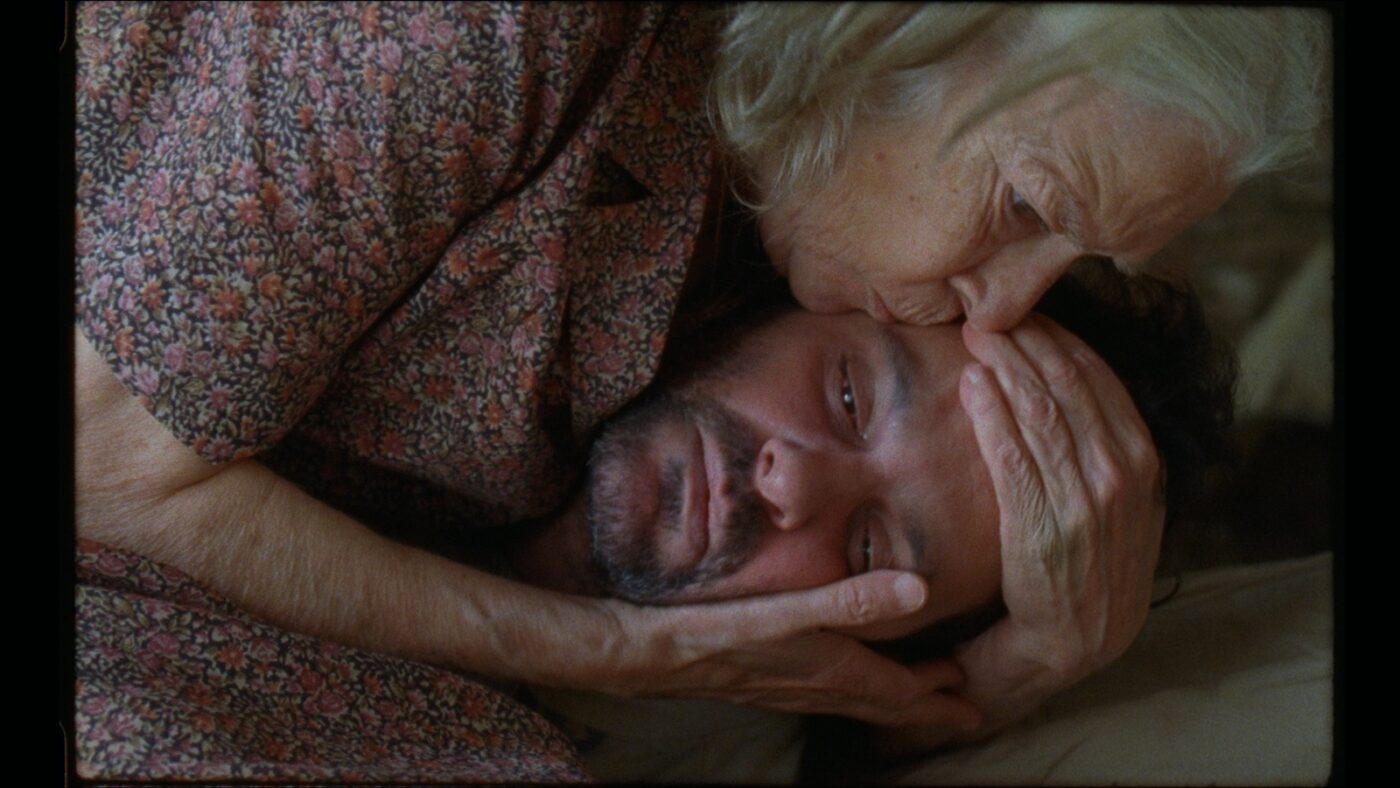
Working with Edu Canet on the framing, we sought to convey the respect, care and love embodied by Susi Sánchez’s character.
Jaime knows when he has the take. Sometimes he knew with absolute certainty that he had it by the second take, which is extraordinary for a first-time director. He gave the crew confidence and was concise with the actors. He knew how to communicate with them and give them the tools to make the next take better. I was amazed by his ability and how aware he was of everything. I didn’t know him before; I only knew his work as an actor, but working with him was a revelation.
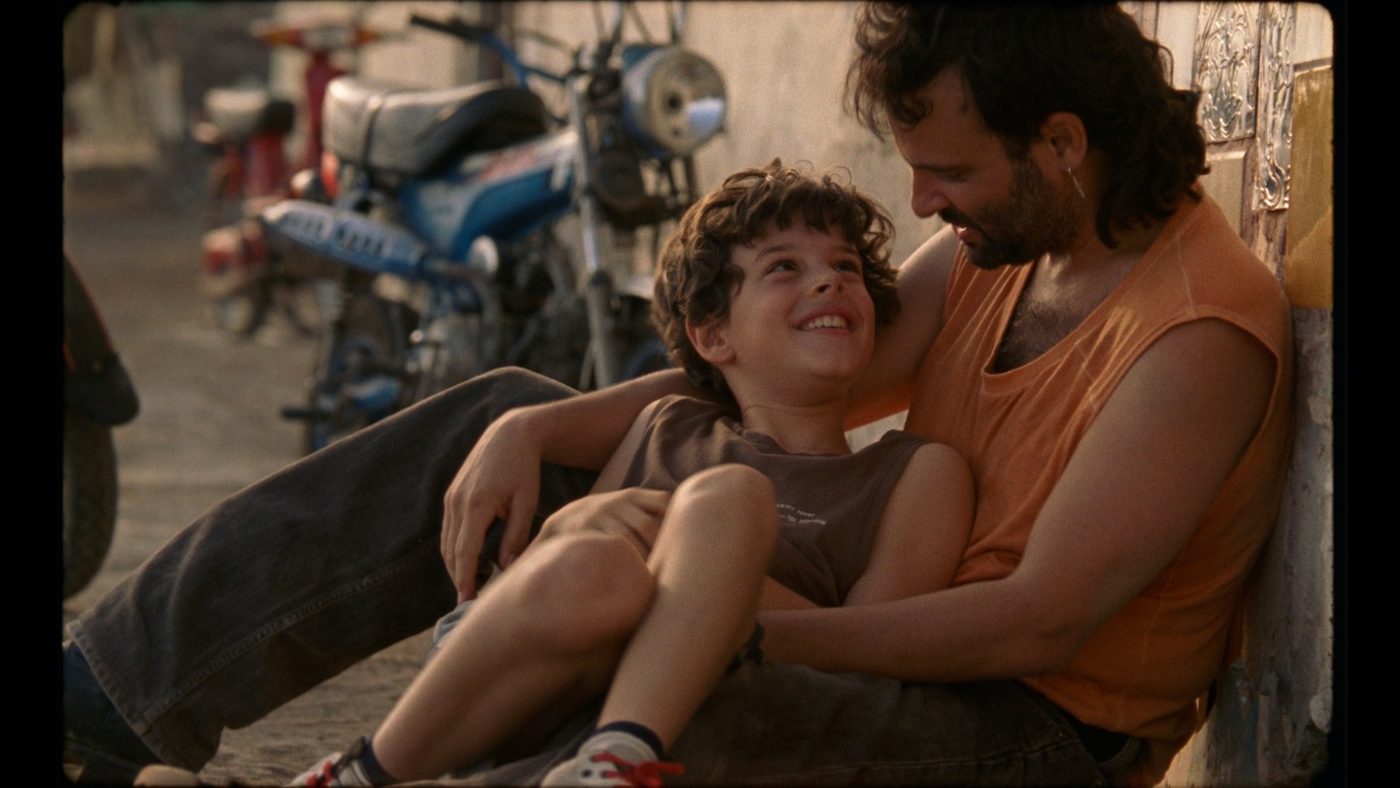
In one of the opening sequences, the father comes home after a night out, goes to see his son and calls to him from above, but his head is out of frame.
That idea was already there during preparation, for two reasons. First, our protagonist is the boy, and we didn’t want to show anyone before him. Second, that image of a father without a head alluded to the idea of the absent father. We introduce him by cutting off his head in the frame, and we only allow part of his face into view when he lowers his chin to take a drag on his cigarette: addiction intrudes into the image.
The director has talked about a deliberately cold, contemplative image, but there’s also a sense of aridity and heat in the film.
The story is set in Murcia and has a lot to do with the sun, warmth and that suffocating heat. We shot in October, November and into the first week of December. In the first part, we tried to preserve as much as possible the feeling of sunshine, summer and dryness: the children, the village, the bicycles… The Canary Islands helped a great deal, and we also worked on that feeling through the look.
Rather than setting the second part in summer — which wouldn’t have made sense given the conditions we were shooting in, when it was almost snowing — we set it in a more autumnal atmosphere, where jackets and the characters’ breath being visible at certain moments would feel right.
The location work stands out. Did you shoot in Murcia?
Unfortunately, no. We spent three weeks in the Canary Islands and three in the southern Madrid area, around Aranjuez. We had a wonderful time scouting. We were very fortunate because we had a lot of freedom to find the authenticity we were looking for. The producers and location managers were completely behind us.
The art department came on board late and did a titanic job. It was one of those projects where the energy comes together and creates a real sense of teamwork.
How did you make the locations in the Canary Islands and Madrid fit together?
Everything is supposed to take place in the same village, but in reality it’s a complicated jigsaw puzzle. Almost all the interiors were shot in the Canary Islands, except for the flashback in the large house, which we shot in Toledo. The field hut and vegetable garden were shot in Aranjuez. There are also plenty of exteriors in the Canary Islands, such as the football pitch, the roads and the façade. We first had to map everything out and check that we ourselves believed in that jigsaw puzzle.
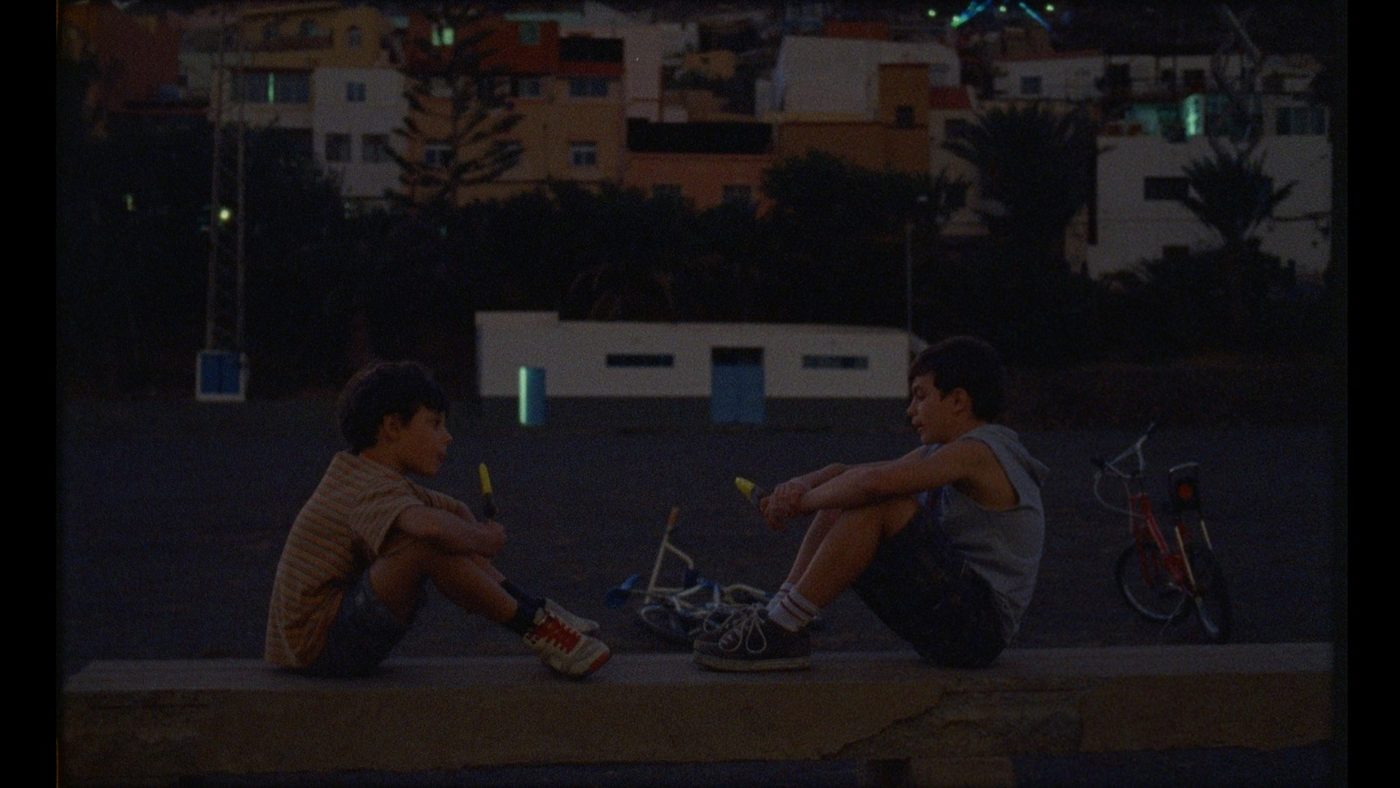
On that football pitch there’s a night shot of the children eating ice cream. Had you planned it to be that dark?
Originally, it was supposed to be at dusk. Then a tremendous wind and rainstorm arrived, forcing us to take shelter and stop shooting. We managed to shoot a few takes in daylight, but Jaime wasn’t convinced. When the lighting conditions became impossible, I suggested turning it into a night scene. I asked for a few minutes to light it, and we carried on shooting the sequence at night.
Generally, we had the flexibility to adapt and change things freely when unforeseen situations arose that improved on what we’d planned. We tried to stay alert and receptive to whatever nature offered us.
How much film stock did you use?
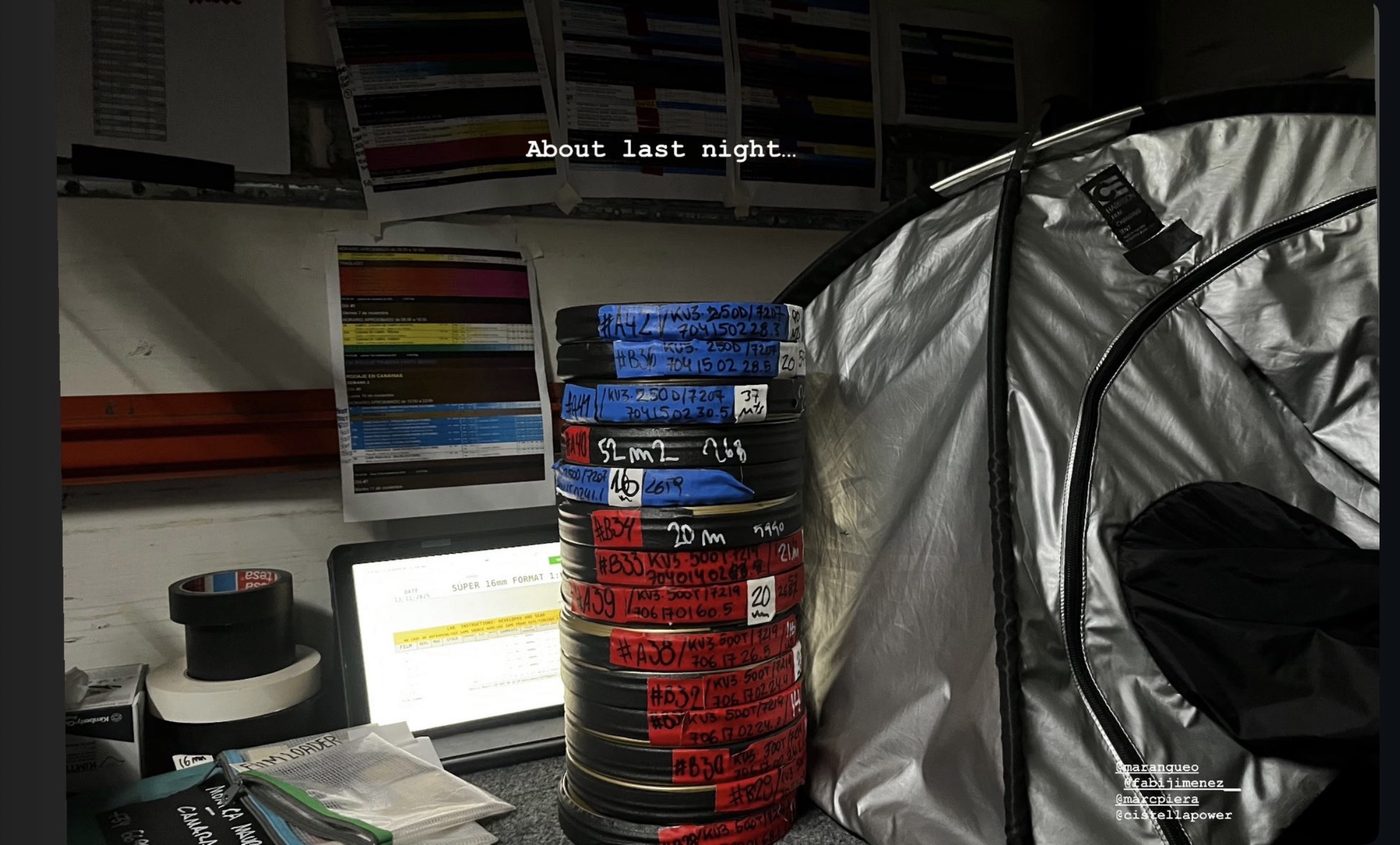
We managed our consumption very carefully. I calculated the estimated footage for each stock and format, sequence by sequence, and made a commitment to the production company that we wouldn’t exceed those figures. We used several stocks: 50D, 250D and 500T. Everything was calculated: each shot had its own stock, and there could even be changes within a single sequence. Mònica Mauri made the whole process very simple, quick and efficient.
For 16mm, the initial estimate was around 9,500 metres and we ended up using 8,012 metres. For 35mm, we used 15,812 metres. We had quite a lot of negative left over, but knowing we could return what we didn’t use was very reassuring.
“One of our rules was to distil every sequence down to its essentials.”
What lenses did you use for the two formats?
The original idea was to shoot with Panavision because I have a very good relationship with Panavision Paris. Zigzag came on board at the last moment, and I spent a long time considering which lenses to use. I even thought about Master Primes, but when I mentioned it to my dear friend Edu Grau, whom I trust a great deal, his reaction was, “Master Primes? You?” I realised he was right: it was my insecurity that was choosing the lenses.
What I really identified with was a set of lenses with more character, so I eventually chose ZEISS Super Speeds MK II, with their triangular bokeh when stopped down. It was a fantastic choice.
You also used Ultra 16 lenses, didn’t you?
Yes, I used them on 16mm, because the image has a rougher, more broken-up texture than 35mm. I’d choose that combination again without hesitation.
The difference between 16mm and 35mm was deliberate, to distinguish the two parts.
Did you emphasise that difference in postproduction?
More than anything, we supported it. The lab offers a negative-cleaning process because spots and other artefacts can appear. We asked them to intervene as little as possible, and when the quality-control report came back, it contained an enormous number of error flags. We reviewed which ones really needed correcting: there were five or six we had to fix, and we kept the rest because they were part of the essence, the look and the film we wanted to make.
We tried to embrace the organic nature of the material, its artefacts and imperfections. I’m very happy with the result and with how faithfully those choices were respected.
How did the turnaround for dailies work?
At the beginning, you’re eager to see the material so you can keep adjusting your work. When we were in Madrid, we sent the negative off every day. If you wrapped at seven in the evening, the film waited until the next morning, when the flight to Rome left. It arrived during the morning, the dailies were prepared in the afternoon and, if you were lucky, you received them that evening; otherwise, the following morning.
That was the usual process. Once we’d become more confident, we sometimes waited two days before shipping. Since we shot the 16mm section first, when we moved on to 35mm we went back to sending the material every day.
Whenever something important and irreversible was involved, such as Susi [Sánchez]’s haircut, we had to be certain the footage was all right. In those cases, someone travelled to Rome with the negative so we’d have the results the following day. Everything worked as it should.
Where did you grade the film, and how did you work with the colourist?
I did the grade in Barcelona because the production coincided with the birth of my second child. I was on paternity leave, completed the six weeks and then joined the project. We only had three weeks of preproduction before shooting.
It was very important for me to be able to do the grade in Barcelona and balance work and family life as much as possible. So we did it with Ignasi [González] at Moonlight. Ignasi knows how to read me: he understands what I want, I explain it and it appears in the image.
I think the material already reached him with a clear intention. The grading process was very organic, easy and rewarding. We quickly found things I loved. He has a sensibility that appeals to me and that makes me feel very comfortable working with him.
Is there a particular shot or sequence that you hold especially close to your heart?
There are several things about the film that I love. I always tell Jaime that it’s imperfectly perfect. It’s a debut feature, it has mistakes, and it has that elliptical quality that sometimes leaves you a little lost. People often discover a lot more on a second viewing. Those imperfections and that electricity give it a particular character; they give it a soul. I’m profoundly proud of this work and identify with it very strongly, which is quite difficult to achieve these days.
How did you experience shooting the nights? Weren’t you worried about underexposure?
Most of the night scenes were concentrated in the final weeks of the shoot, so by then I was ready to take risks. I found shooting on film very easy; the negative can take anything.
I think we were bold with the interiors and the nights. The light meter barely registered anything and then, suddenly, at some point the character would enter a little light and you’d get a reading. I’d say, “Come on, roll, we’ve got it.” It was extreme underexposure. If I hadn’t liked the result, I would have had to add more light, but I loved what I was getting.
The final third of the film was shot on 500T pushed two stops, rated at 2000 ISO. There were lots of artefacts and a great deal of grain, but I loved it. It was risky, yes, but I identify with the outcome of that risk. I feel it defines me in some way. When I watch films, I like bold approaches.
One of the moments that moves me most is when the film revolves around the grandmother until we reach the sequence with the horse in front of the car. I love that whole section.
Let’s talk about that sequence. The protagonist drives alongside a horse on a pitch-black night. How did you shoot it?
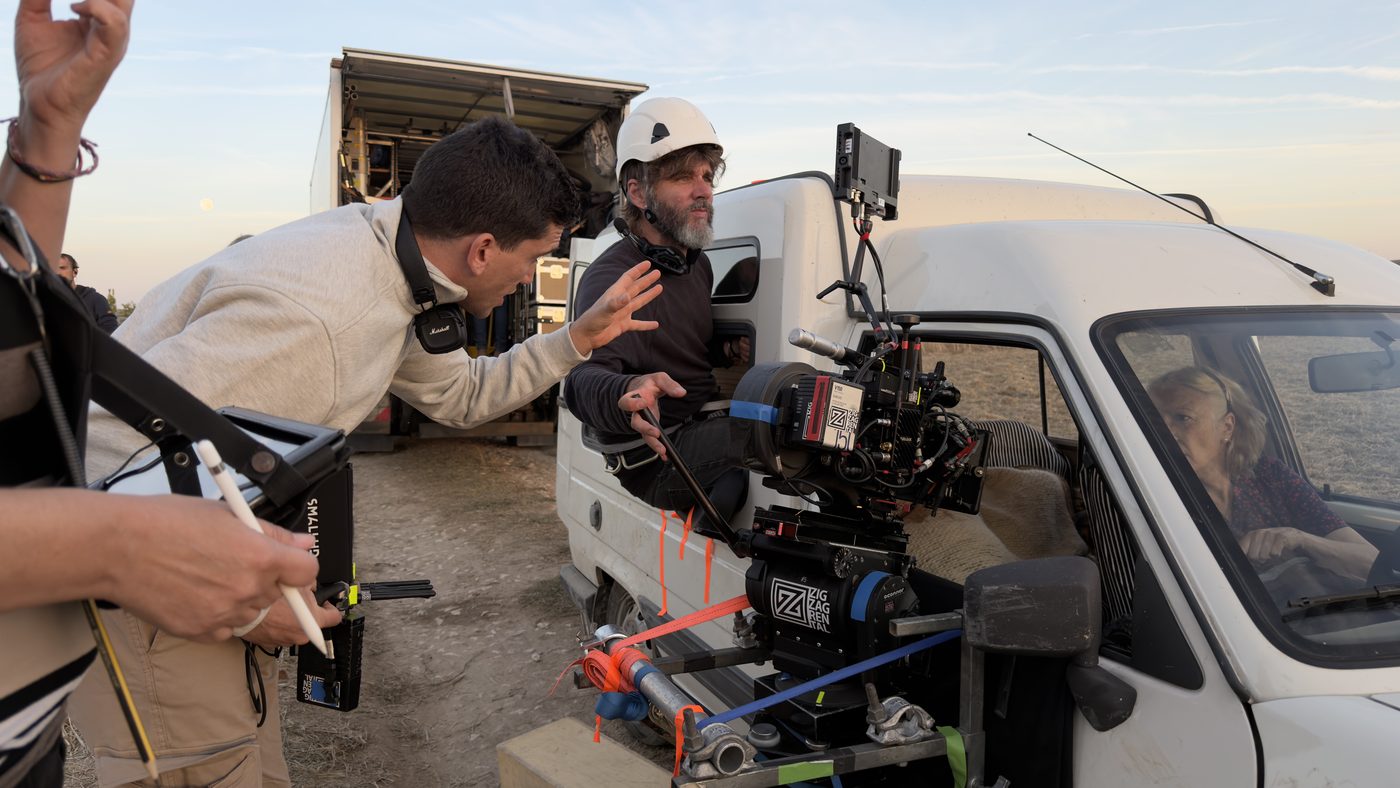
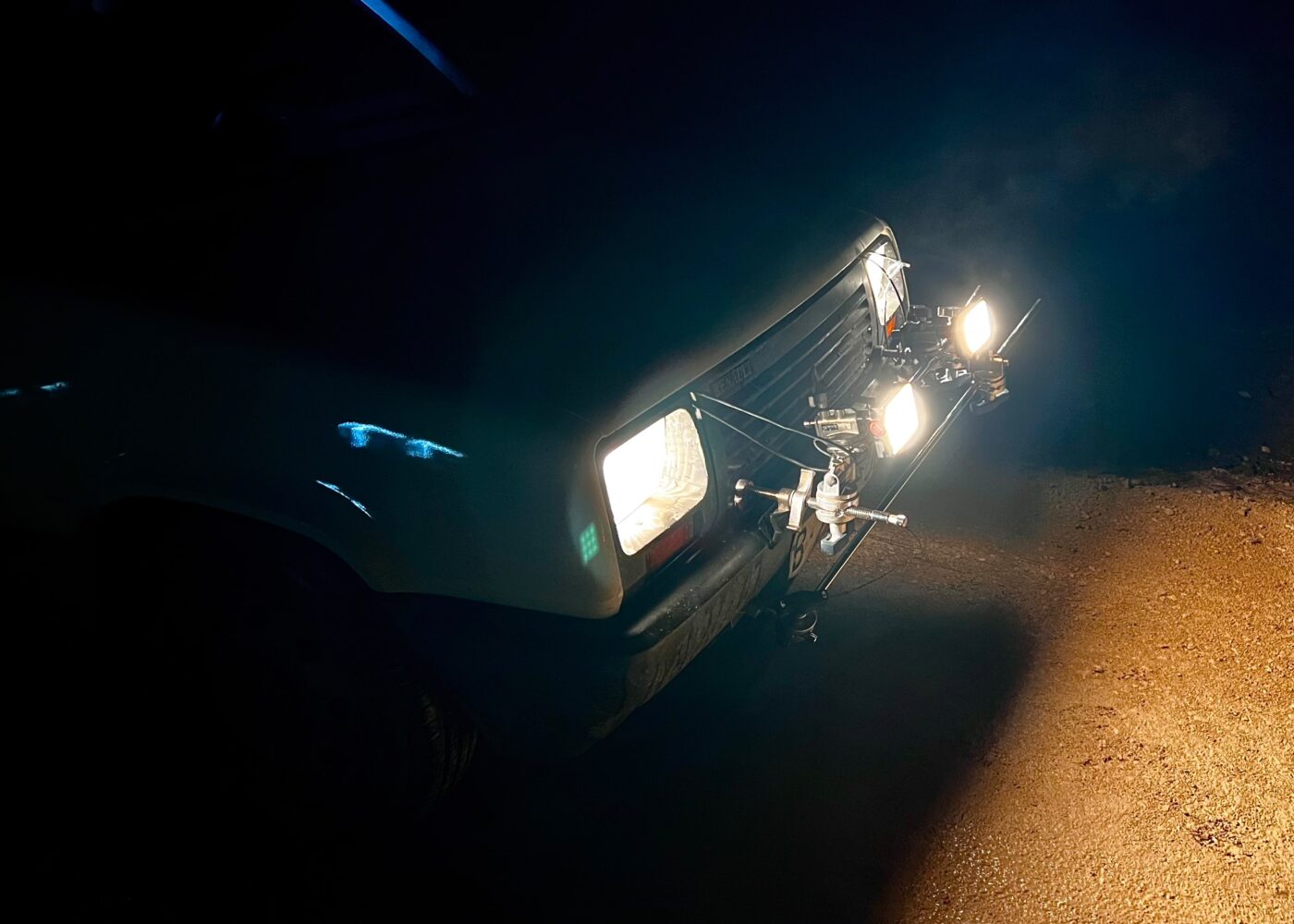
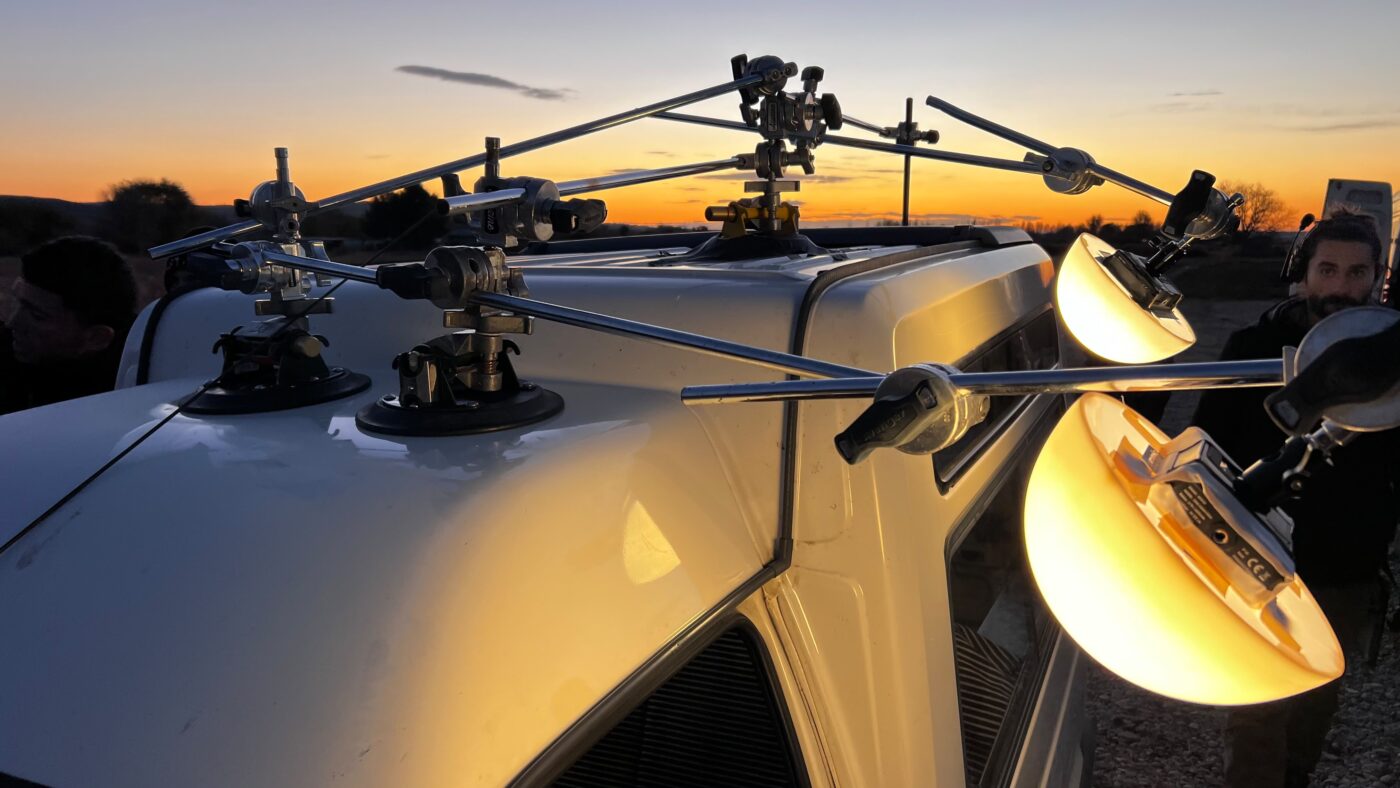
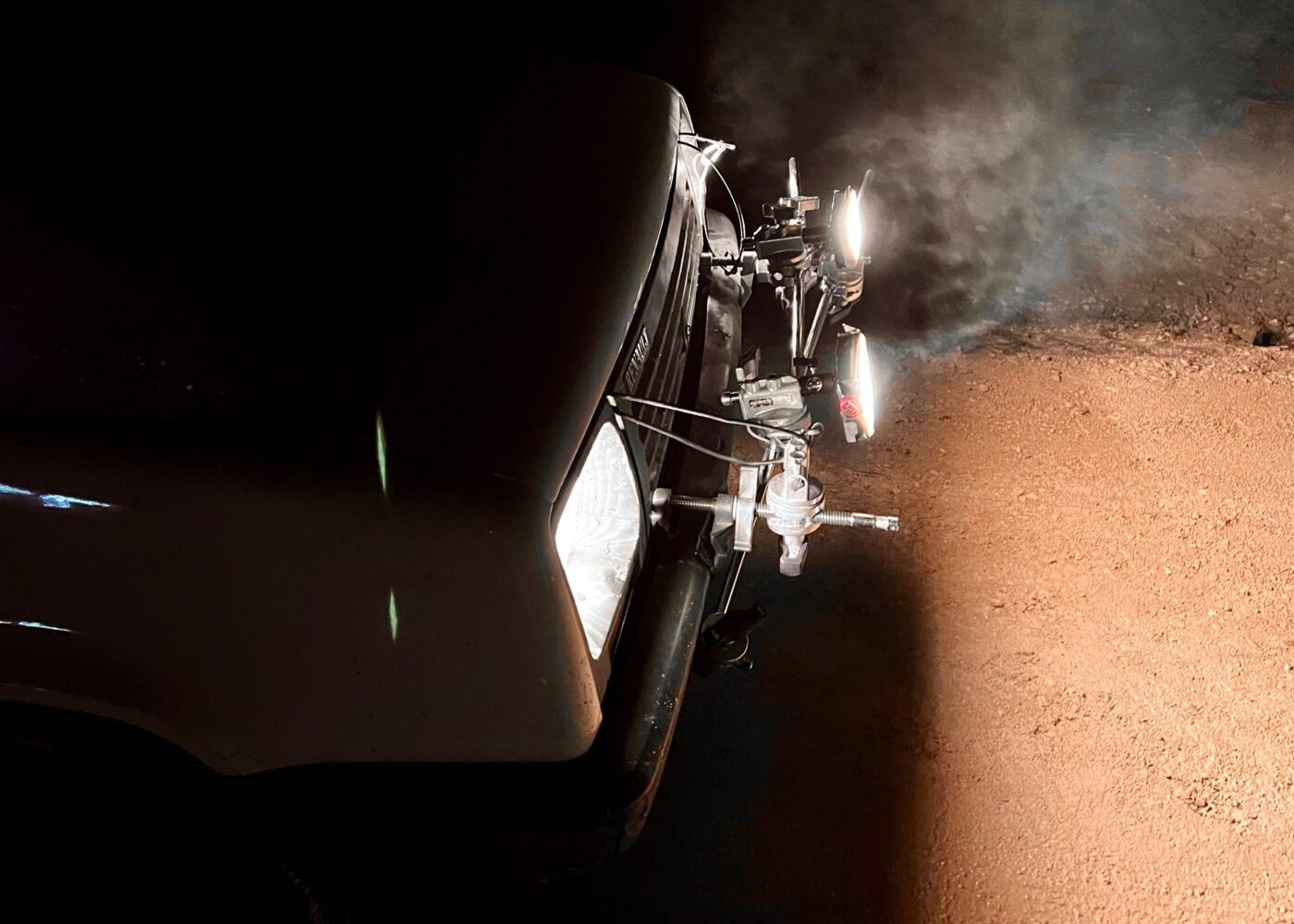
The illumination came from lights I’d mounted on the car, because we’d installed a protective rig on the front that obscured the headlights. They didn’t quite create the effect I wanted, but we took the risk. Essentially, the car followed the horse along a muddy track. It was one of those situations when you wonder whether the risk is worth taking, but the result is incredible. The adrenaline we felt inside the car, enjoying the shot and watching it unfold, was pure excitement.
It was a fenced-off track. There was an animal handler at point A and another at point B: they called the horse, which set off running, and the car followed. Jaime had been absolutely clear from day one: he wanted that shot in the film. They tried to rule it out because it wasn’t easy to find a suitable location. Eventually we found one, went for it and came away with a little gem.
There’s another shot I identify with very strongly because of the risk: we could have ended up with nothing at all. It’s at the beginning of the final third, with the father leaning against a wall. I call it “portraying the darkness”. You can barely see anything, but he takes a drag on a cigarette and only the glowing ember lights up. We shot it on 500T pushed two stops. With a little stray light a long way off, the meter wasn’t giving us any useful reading. We said, “Roll it — we’ll get something.” And what we got was better than I could have imagined.
There are a few swimming-pool shots, since the adult protagonist is a swimmer. Were those shot on film too?
No. The underwater shots were the only ones shot digitally, and then we followed a digital–film–digital process: we transferred them to film and digitised them again. It was the right decision.
Synopsis
When the father of Rubén, an eleven-year-old boy, mysteriously disappears, Rubén is forced to move in with the grandmother he barely knows. In a rural setting where time seems to have stood still, he learns from her how family wounds are passed down from generation to generation and, as he grows older, struggles to heal them.
Technical specifications
Cameras: ARRIFLEX 416; ARRIFLEX SR3 HS; ARRICAM LT.
Lenses: ZEISS Ultra 16; ZEISS Super Speed 1.4 MK II.
Film stocks: Kodak 50D, 250D and 500T.
Laboratory: Augustus Roma.
Aspect ratio: 1.85:1.
Production credits
Production: AF Pictures.
Director: Jaime Lorente.
Screenplay: Salvador S. Molina.
Cinematography: Elías M. Félix.
Production design: Fernando González.
Colour grading: Ignasi González.
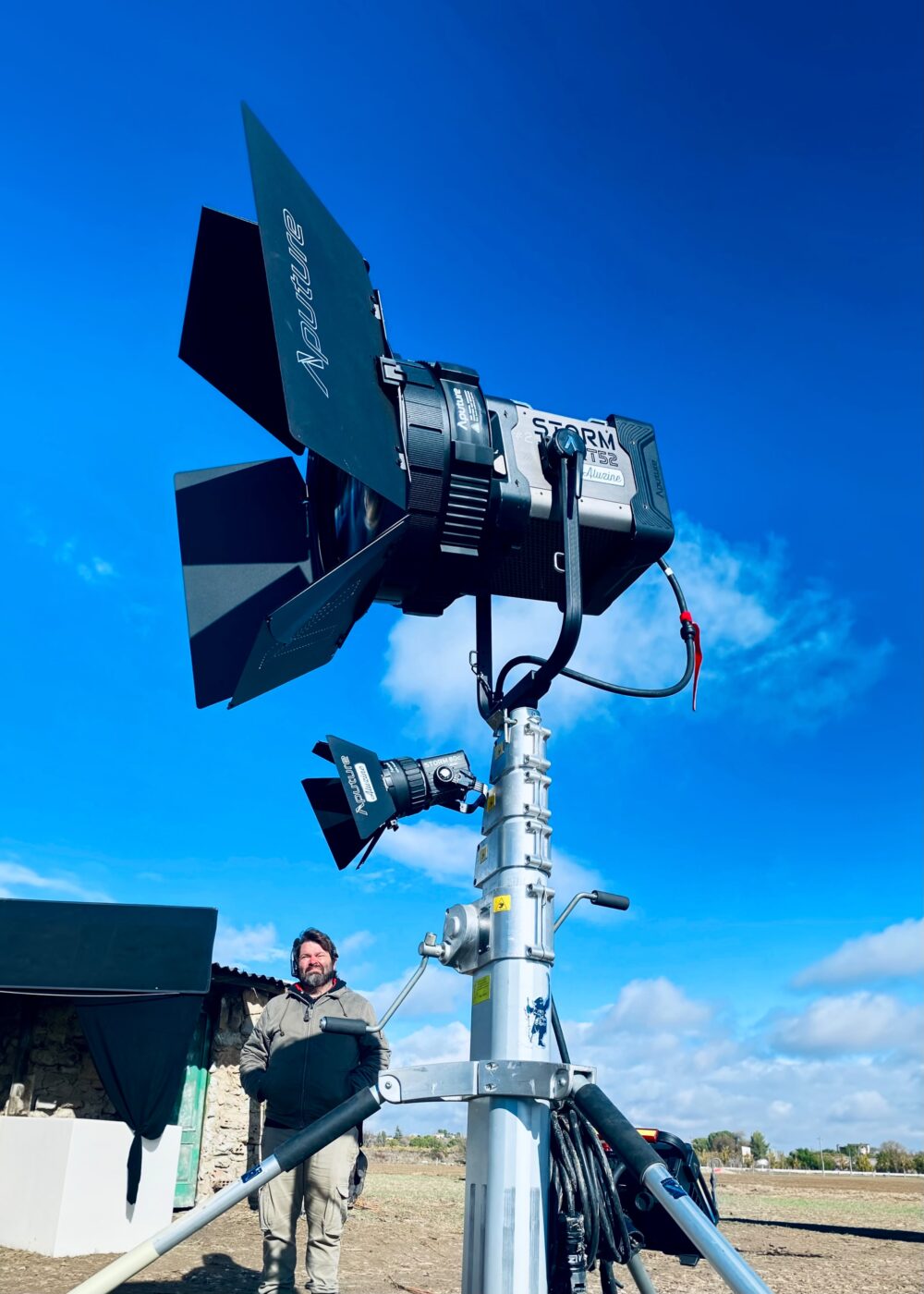
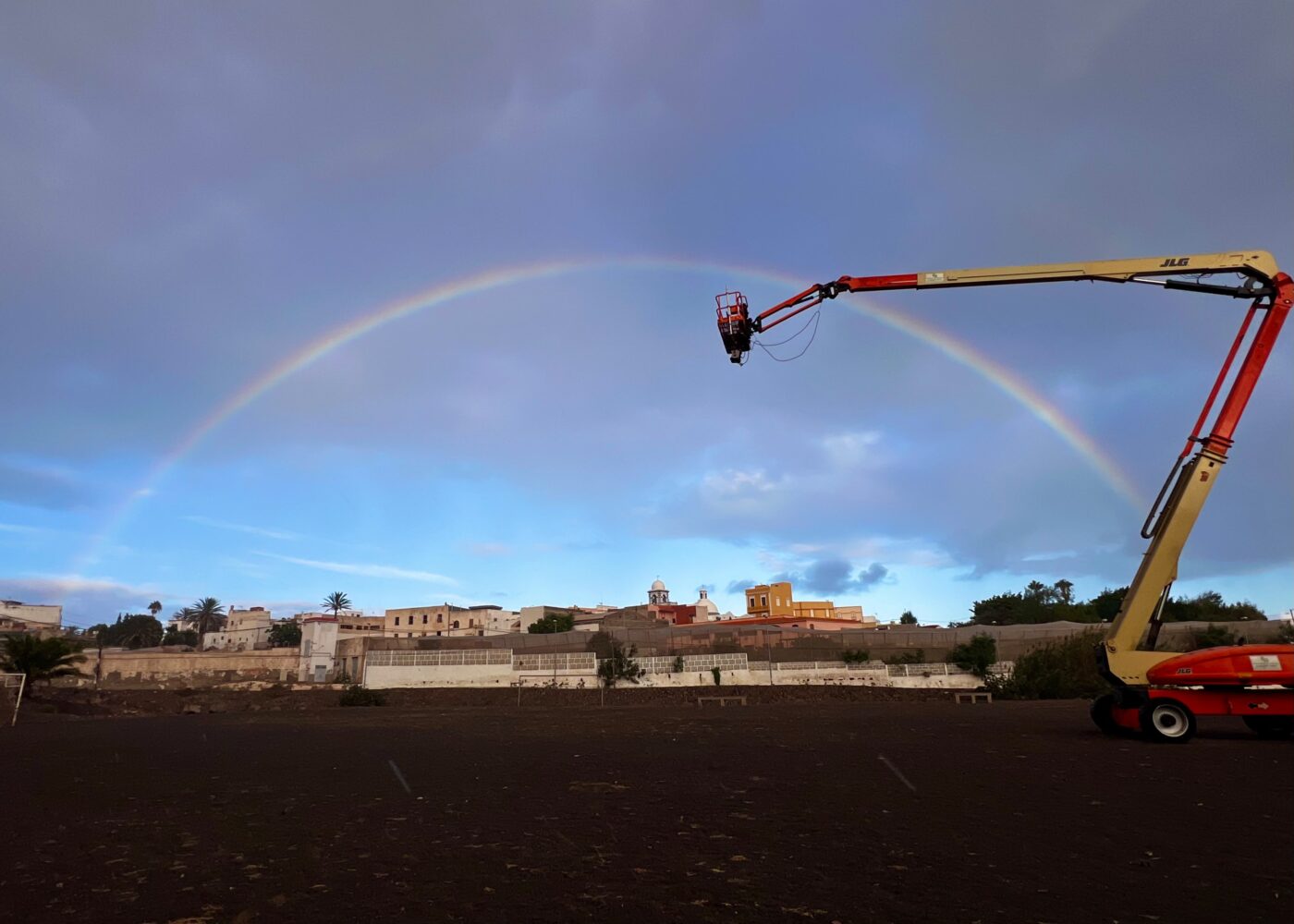
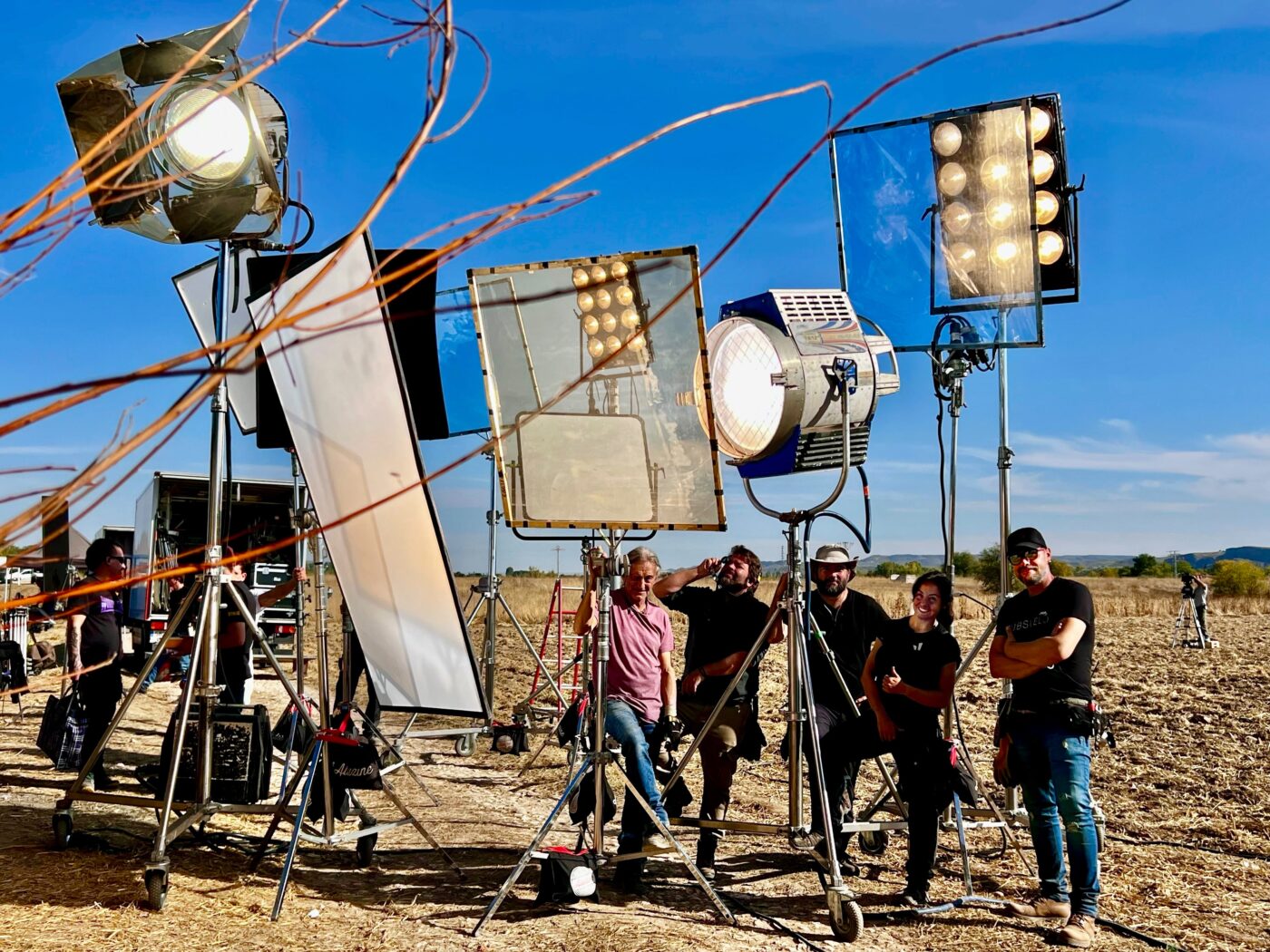
GAFFER PACO IZAGUIRRE
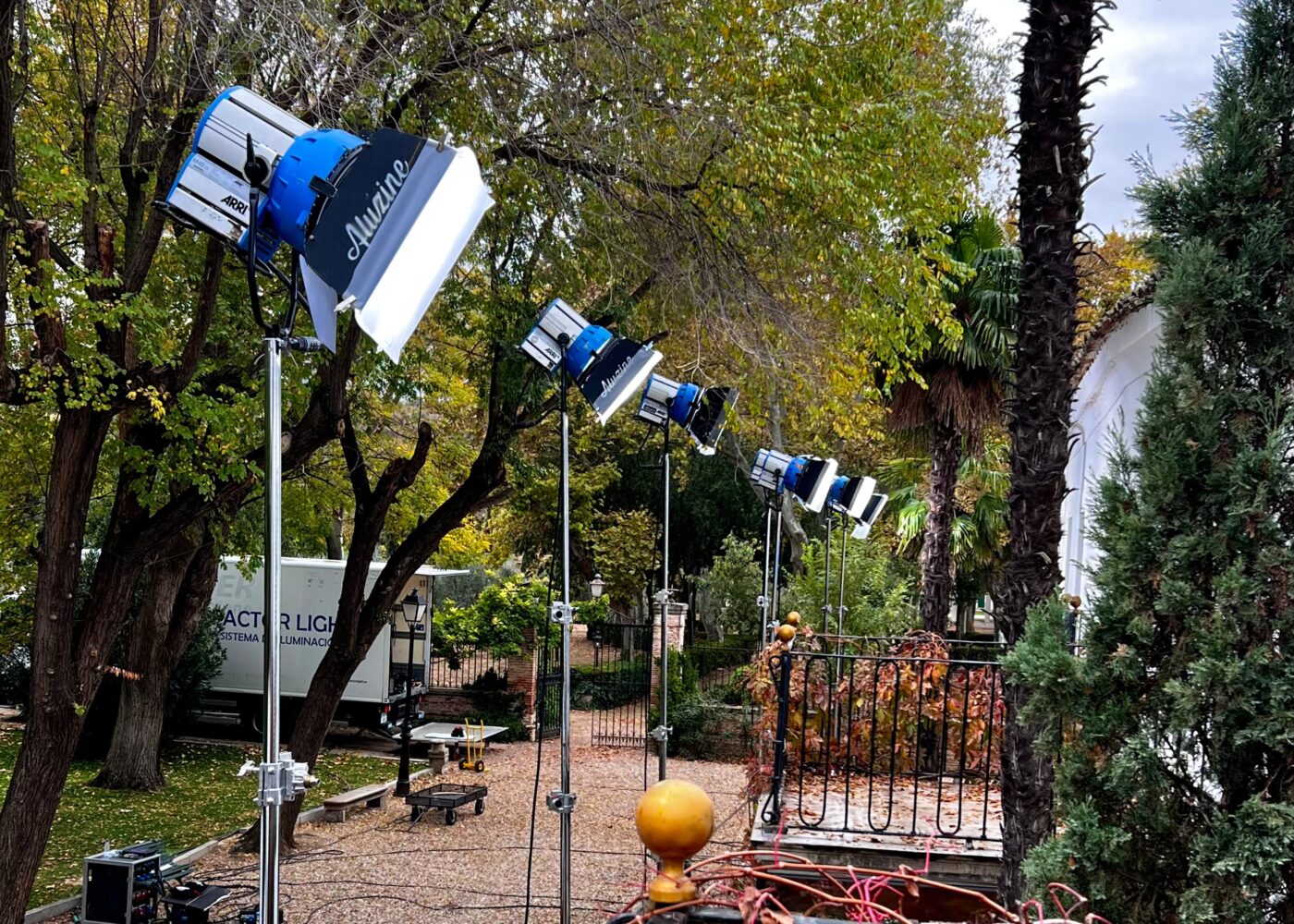
“Working with Elías on this project was a wonderful challenge. Returning to shooting on film and creating an atmosphere of light around the characters at each stage of the story posed the challenge of integrating street practicals, tungsten, HMI and LED lighting so that they all worked together harmoniously and naturally.
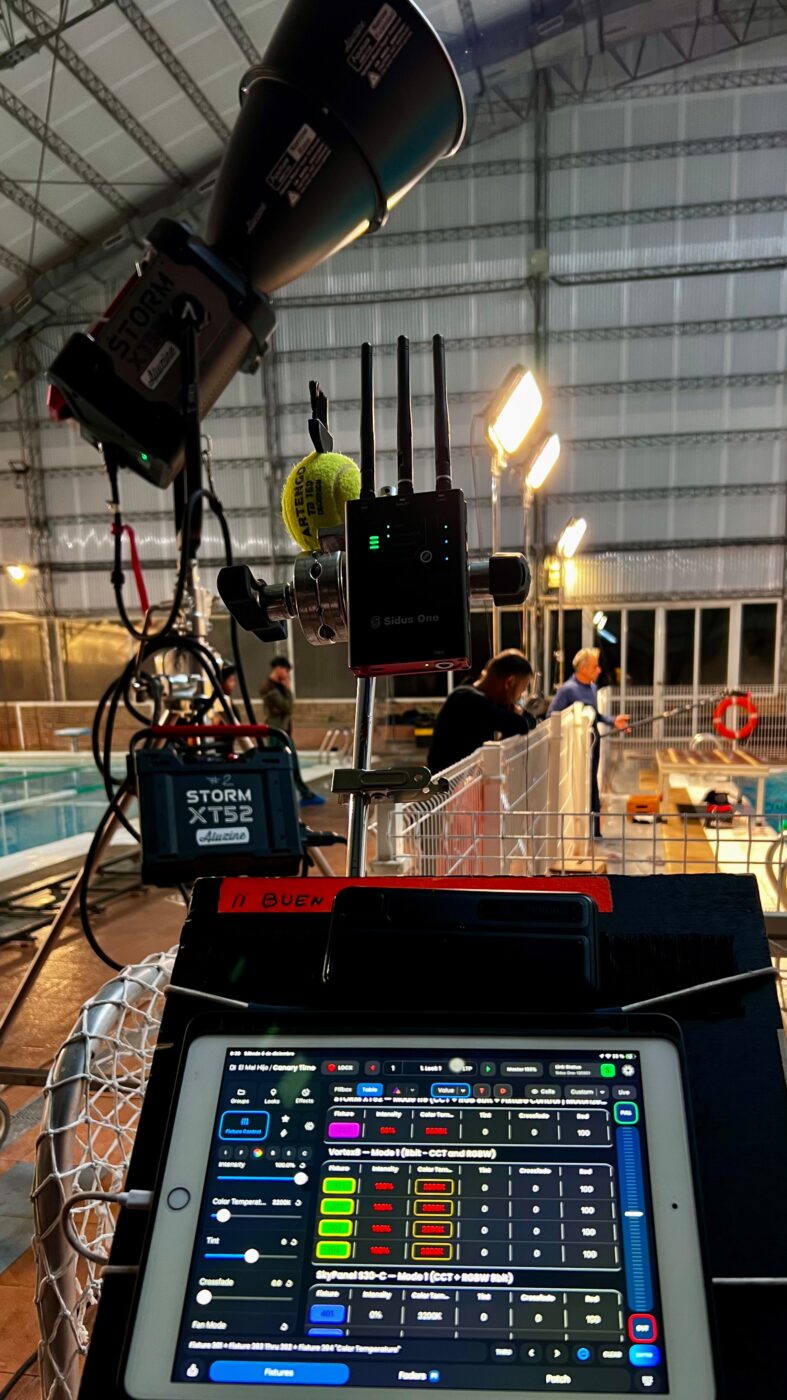
For the night scenes, such as the football pitch, we reinforced the streetlights in the distant city background with Aputure LEDs, carefully controlling their colour. For the pitch itself, we placed Creamsource Vortex 8 fixtures on a scissor lift to provide directional side light, and used a large articulated boom lift topped with a softbox incorporating an Aputure XT52 to create the night-time ambience.
For the night-time sequence in which the horse runs alongside the vehicle, we decided to augment the old van’s existing lights with two DMG DASH fixtures by Rosco to achieve a natural-looking image.”
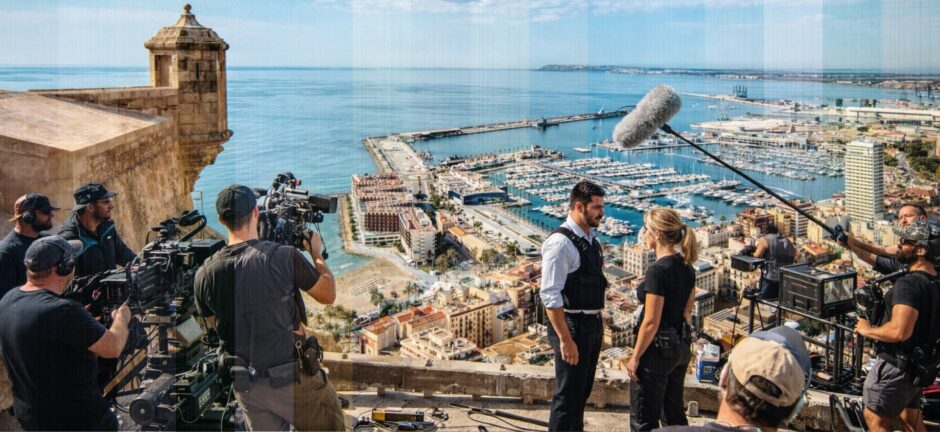
— Paco Izaguirre, gaffer on El mal hijo, who also supplied the behind-the-scenes photographs.