








‘Sacamantecas’: To Illuminate a Dark Era

Introduction
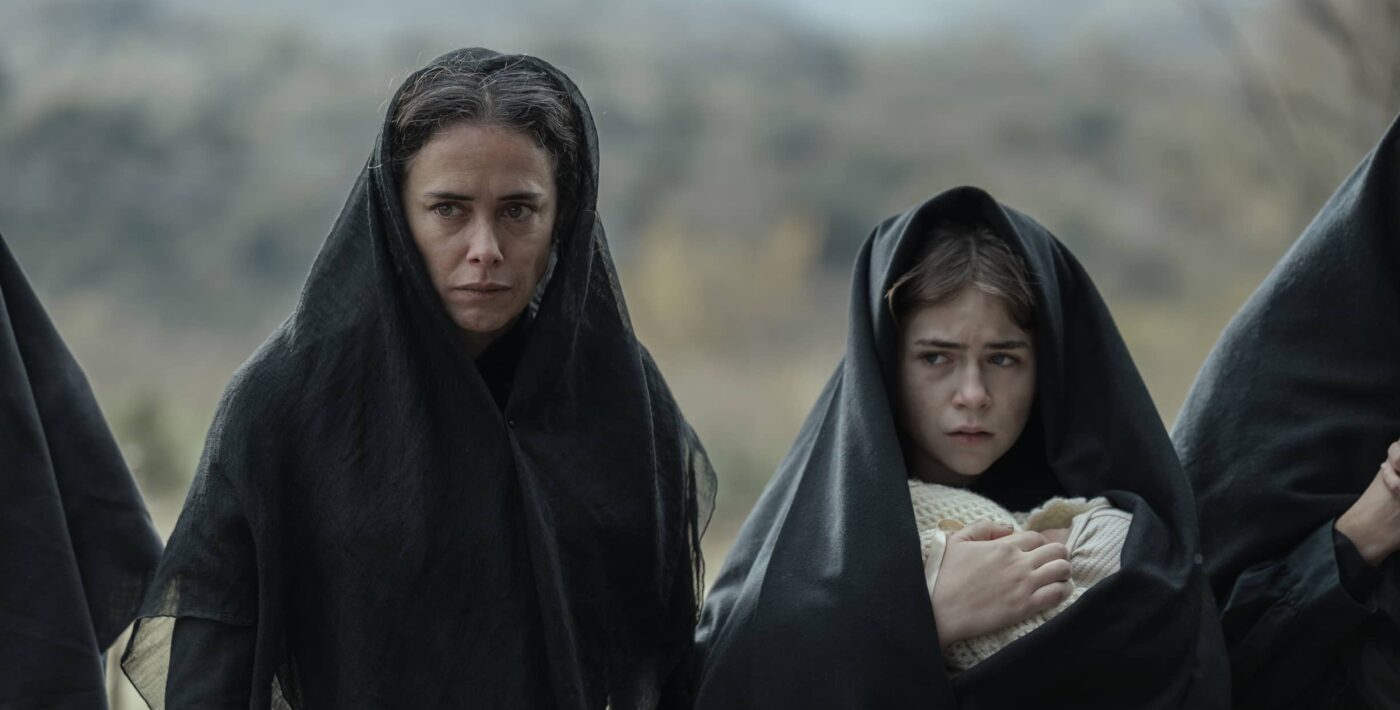
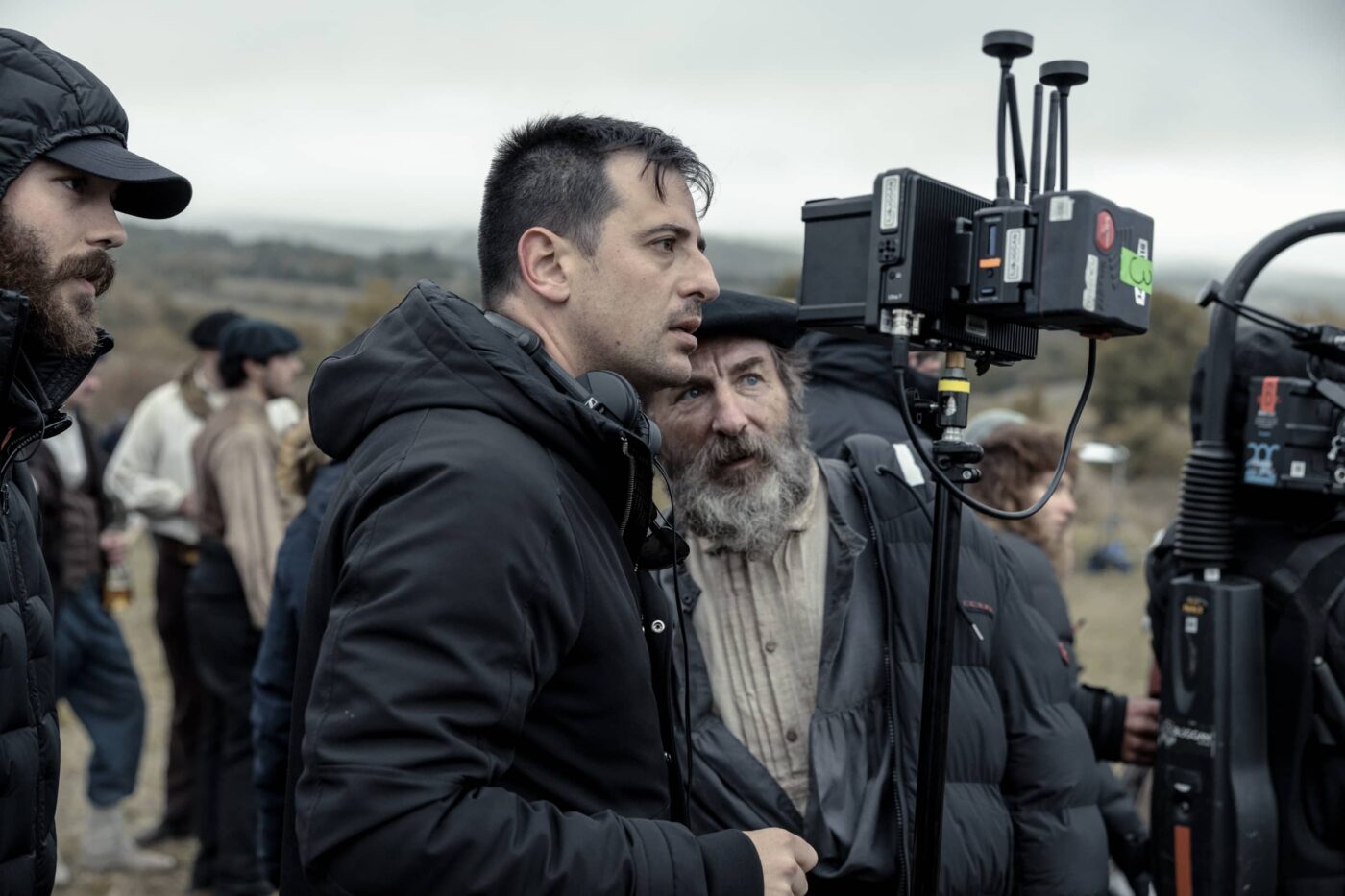
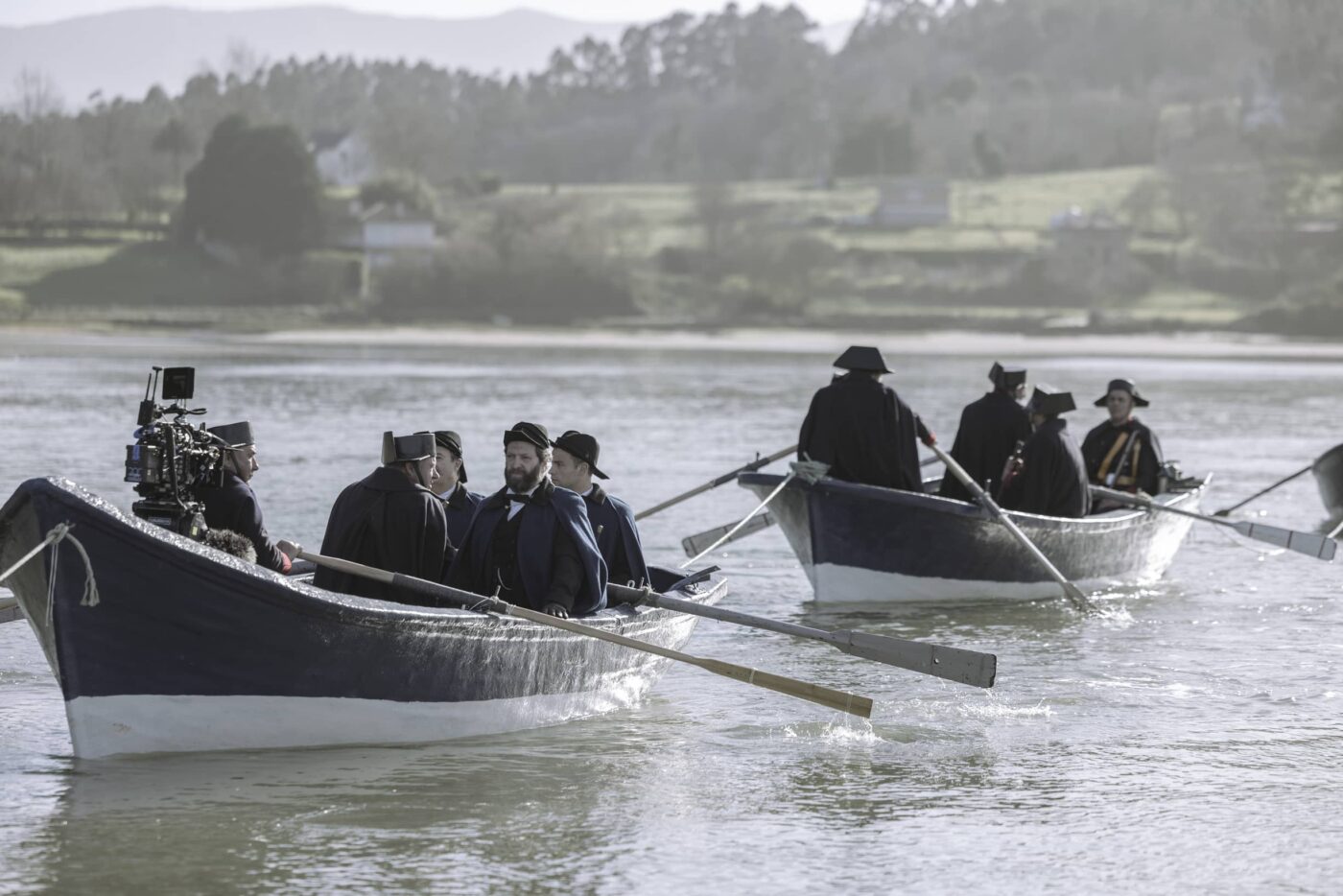
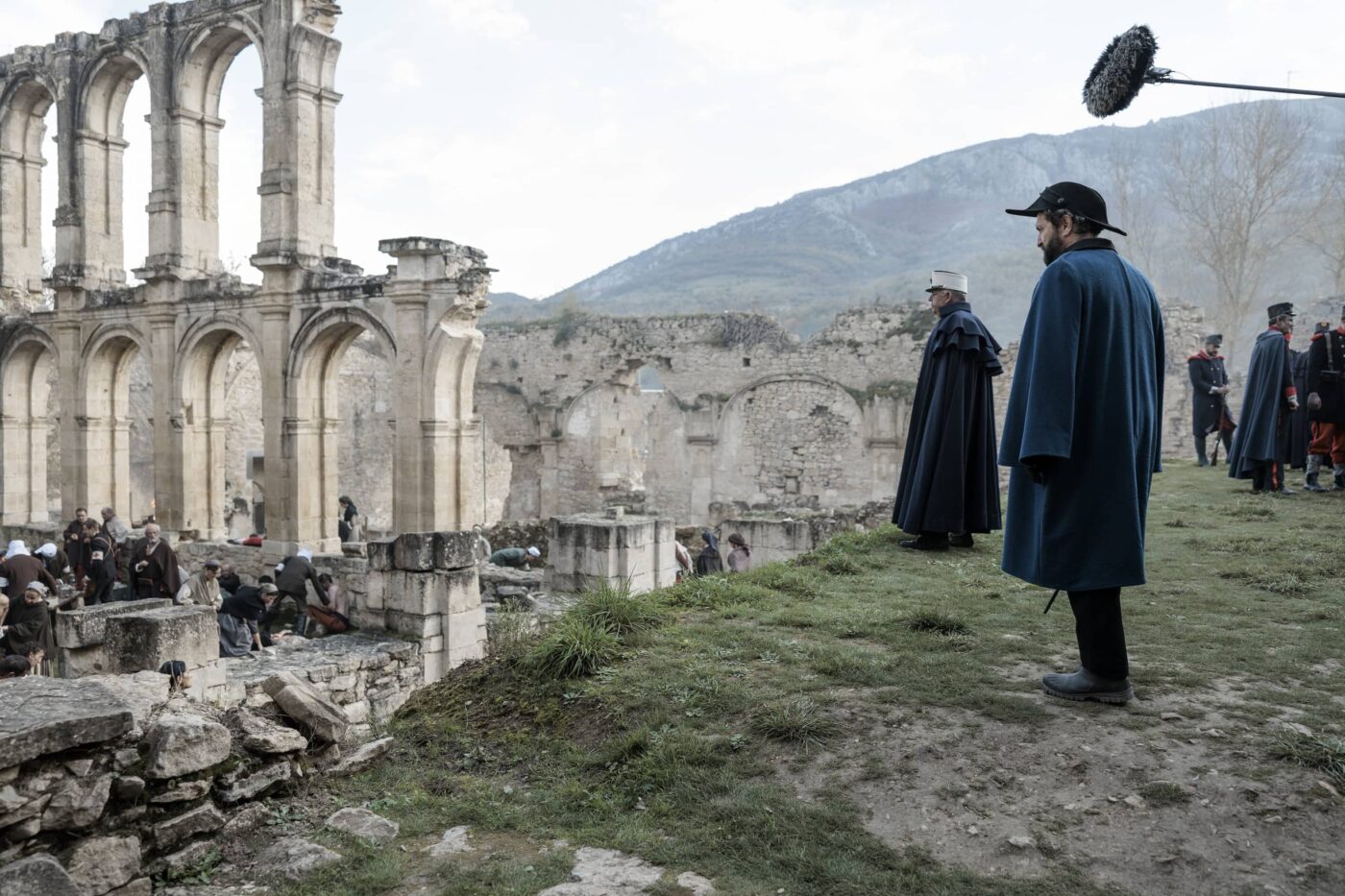
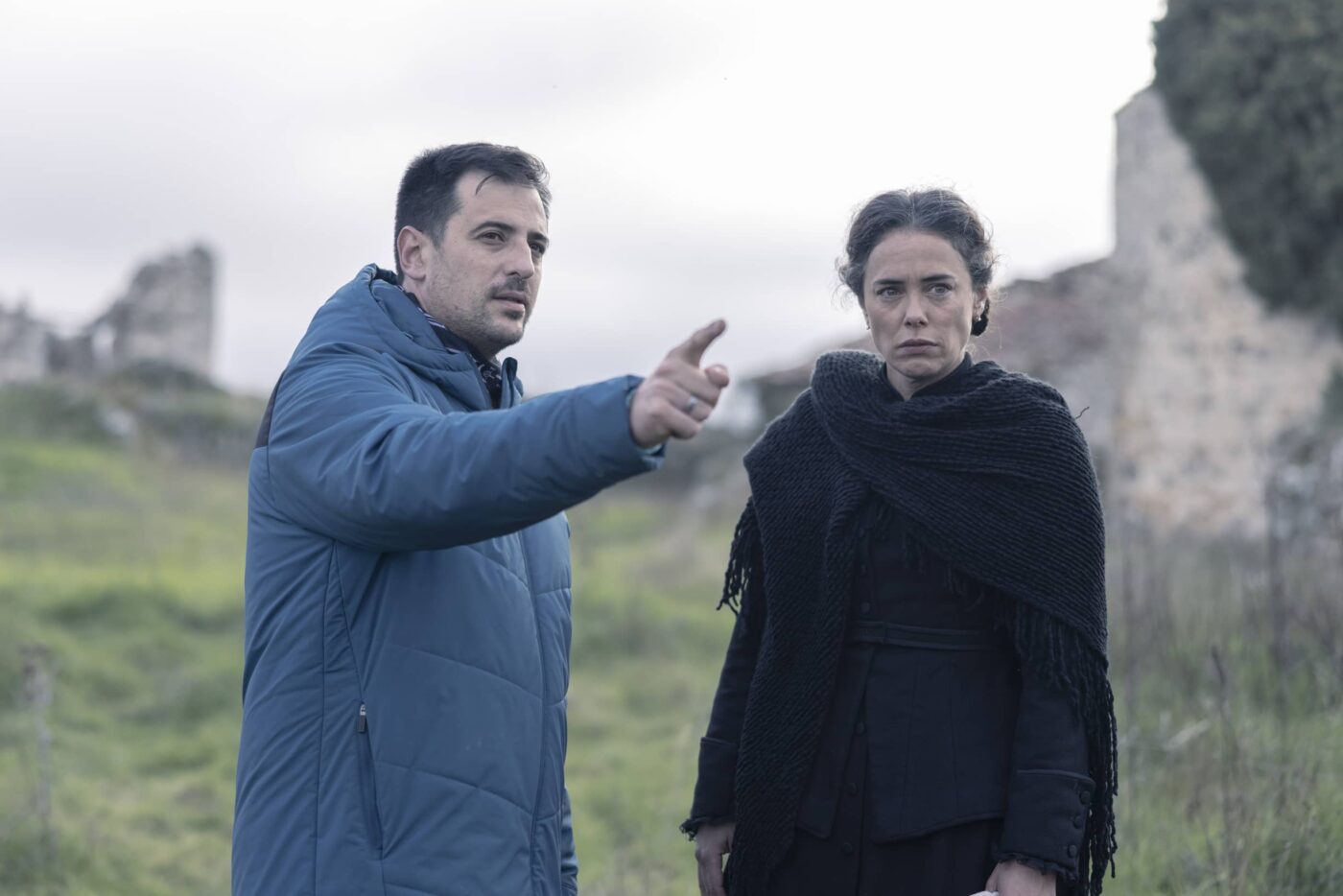
In ‘Sacamantecas’, director David Pérez Sañudo (‘Los últimos románticos’) portrays Álava in the late nineteenth century, at the close of the Third Carlist War. Drawing on the language and aesthetics of the thriller, the film also offers social commentary, contrasting the legendary figure of the Sacamantecas—inspired by the story of Juan de Garayo, an illiterate murderer of women—with the arrival of the electric light bulb in the city as a symbol of false progress. Against this backdrop of widespread structural violence and social inequality, cinematographer Kenneth Oribe (Islas) proposes a dark, low-key photographic approach that reflects both the social contradictions of the period and the weather characteristic of the film’s Basque Country locations.
At the San Sebastián Film Festival, where ‘Sacamantecas’ premiered in the Official Selection’s Special Screenings to considerable anticipation—playing on home ground and dealing with a story deeply rooted in Basque popular culture—we interviewed cinematographer Kenneth Oribe, a regular collaborator of director David Pérez Sañudo. As well as exploring the film’s eclectic style, combining elements of film noir, the western and social drama, he discusses the challenge of recreating believable lighting and a naturalistic aesthetic in a period film.
INTERVIEW WITH KENNETH ORIBE, CINEMATOGRAPHER
How did you come to shoot this film directed by David Pérez Sañudo?
I met David when we were shooting short films. We then made a couple of series together, followed by ‘Sacamantecas’, and now we’re working on another series, ‘Iruña 97’.
I wasn’t familiar with the story of the Sacamantecas, although there is a 1979 film about the legend. Did you revisit it?
I preferred not to watch it, because if you have too many references you end up being tied to certain things. I’m quite a cinephile, and when I’m shooting I usually watch a fair amount of material related to whatever I’m working on. But I’m also afraid of unconsciously becoming attached to certain ideas. So I’m usually very cautious about the references I seek out and watch.
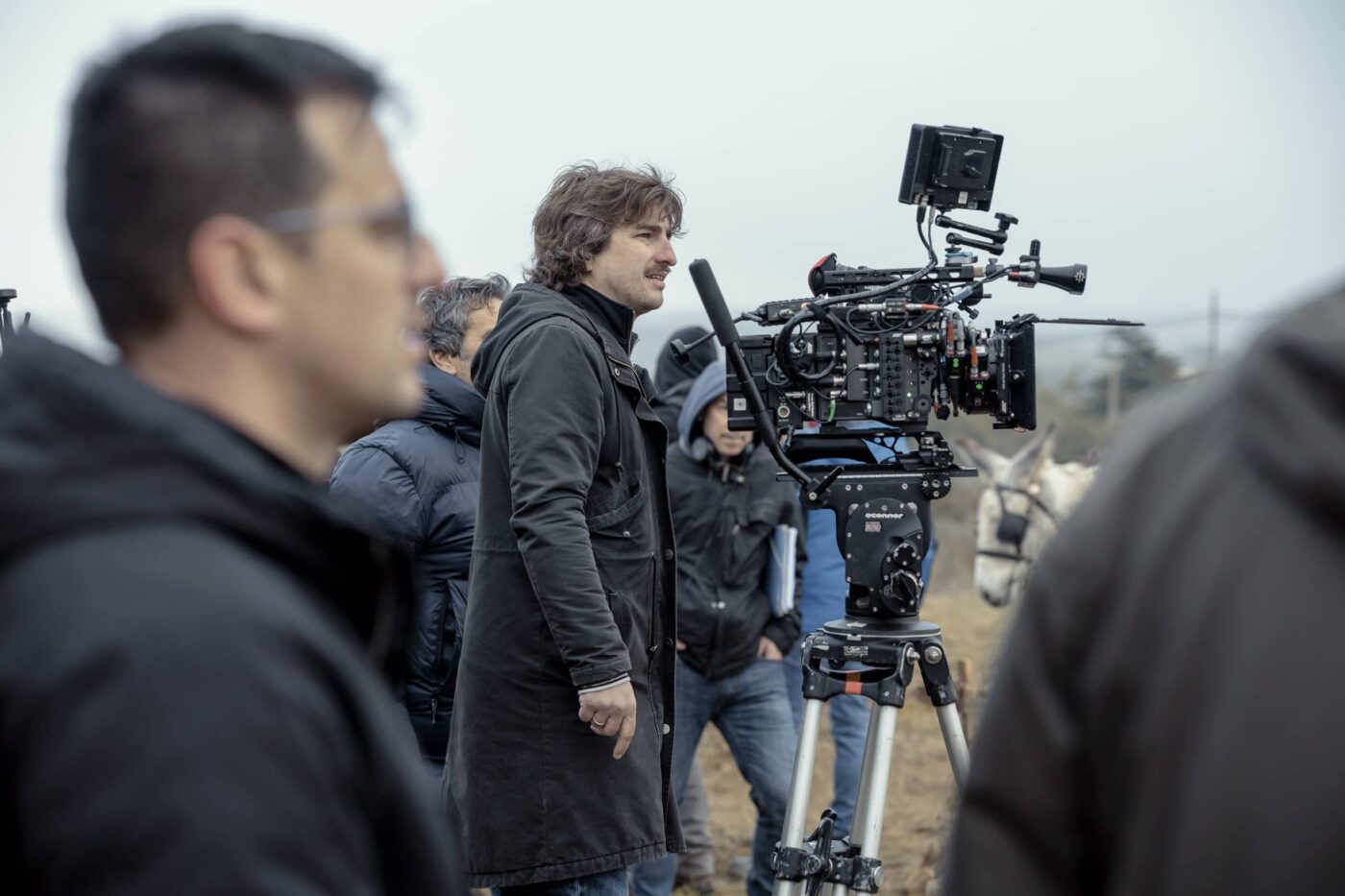
I imagine one of the biggest challenges from a cinematographic standpoint was shooting a period film.
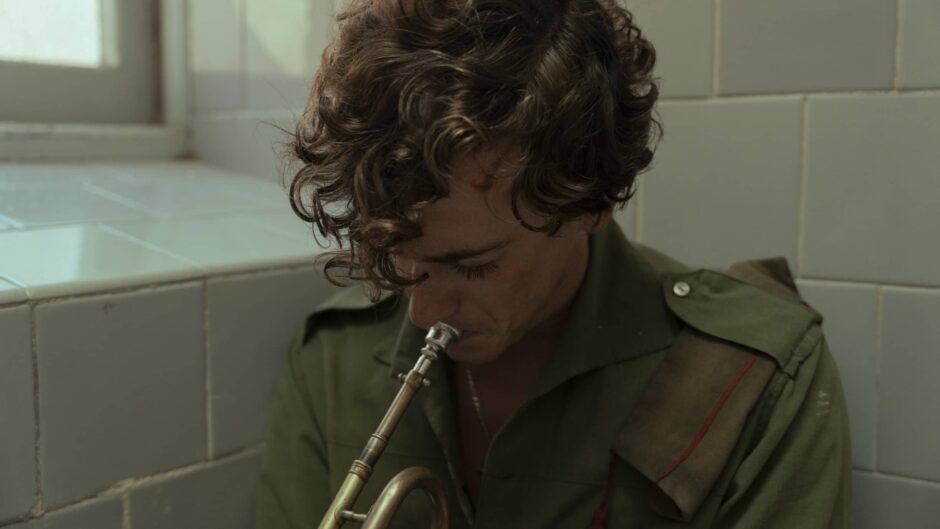
David and I try to bring naturalism into our collaborations, whether we’re shooting a thriller, a period film or social-realist cinema. In this case, we were quite obsessed with finding that naturalism in the way we lit the film. The period imposes certain limitations, because we used a lot of candles and gas lamps in the homes of well-off people. Those limitations also present a challenge and help you find a rationale for approaching spaces and situations. In a contemporary film you have every option in the world and can do a thousand different things, but if you want a certain degree of historical rigour when tackling a period setting, you try to use as little electric lighting as possible.
To be honest, when the project began, I was obsessed with doing everything with real candles, in a very naturalistic way. Then the reality of shooting took over, and we reinforced the lighting, cheating a little and drawing on the sources available to us.
“With the arrival of the light bulb, darkness begins to be illuminated, but only a few people can afford it; others are condemned to remain in the dark.”
I see the Sacamantecas as a kind of bogeyman of Álava. It is the true story of a serial killer of women who lived in the late nineteenth century. Beyond its period setting, the film also has a political dimension. What genres did you draw on?
I think one of the strengths of Sacamantecas is that it encompasses several genres. At first glance it may look like a thriller, but it also contains elements of social cinema. It is obviously a period film in terms of its setting, yet it approaches the same story through different genres or perspectives.
The Sacamantecas himself attracts a great deal of attention, but I don’t think he is the most important thing about the film. What matters more is how certain situations were dealt with at the time. There is a war in the background, the Third Carlist War, which affects the way society is treated and, above all, what the film places emphasis on. I see it more as a social portrait of the period than a film about the Sacamantecas.
One sequence that stands out in this respect is the one where the chief of the bailiffs delivers a kind of political speech. When he presents the incandescent light bulb, it is easy to read it as a comment on the moral darkness of the society of the time.
We had a historian on the project who helped us enormously in understanding what kinds of lighting people used back then. I learned that poorer people could not afford candles and instead used tallow and other rudimentary materials. Wealthier people, by contrast, had access to gas lamps and fixtures holding many more candles, which were expensive.
As you say, there is also the introduction of electricity, and the way the light bulb gradually arrives in Vitoria, which was not a world-leading city like London or New York, where light bulbs already existed at that time. There is a play on that arrival: with the light bulb, darkness begins to be illuminated, but whose darkness? Only a few people can afford the bulb; others are condemned to remain in the dark.
That darkness is also visible in the look, even in daytime exteriors. For example, the village scenes where large crowds gather, such as the garrotting, are dark.
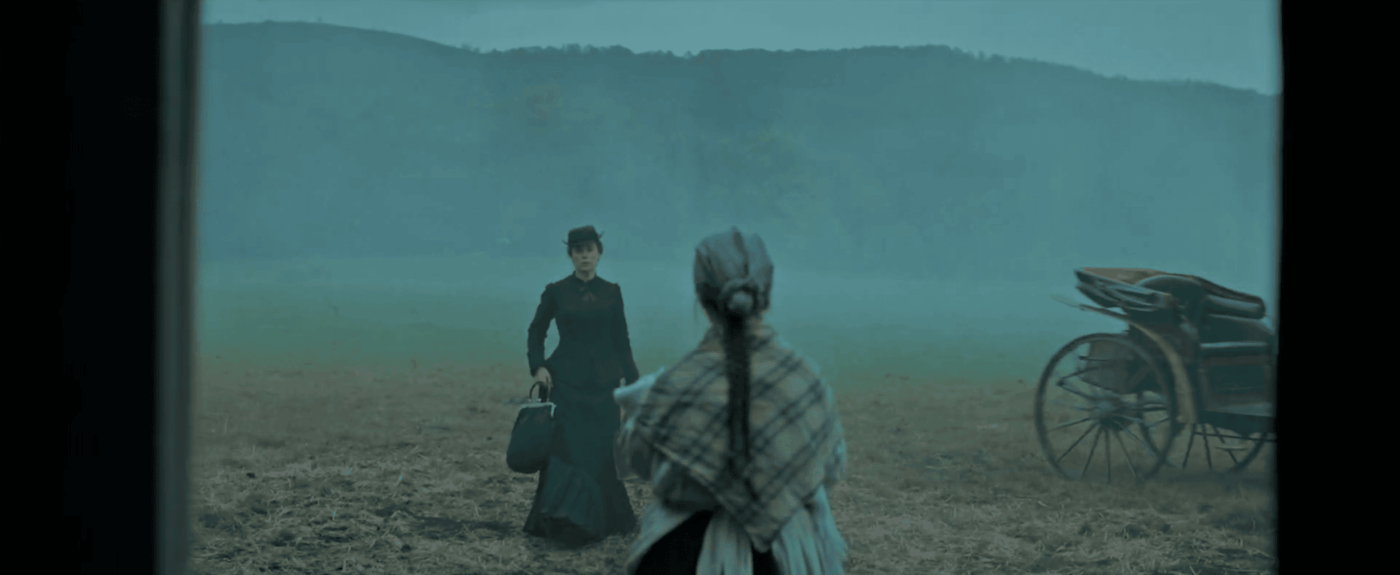
As I was saying, the film has several dimensions, but it is also a thriller. So we imagined it as quite overcast, without sunlight, because that’s what the weather in the Basque Country is like, and we wanted to remain faithful to it.
We planned carefully around the weather, trying to secure as many overcast days as possible with the resources we had, because you can’t always change everything. On the whole we were fairly lucky, although we did get sunshine at times, as the shoot lasted many weeks.
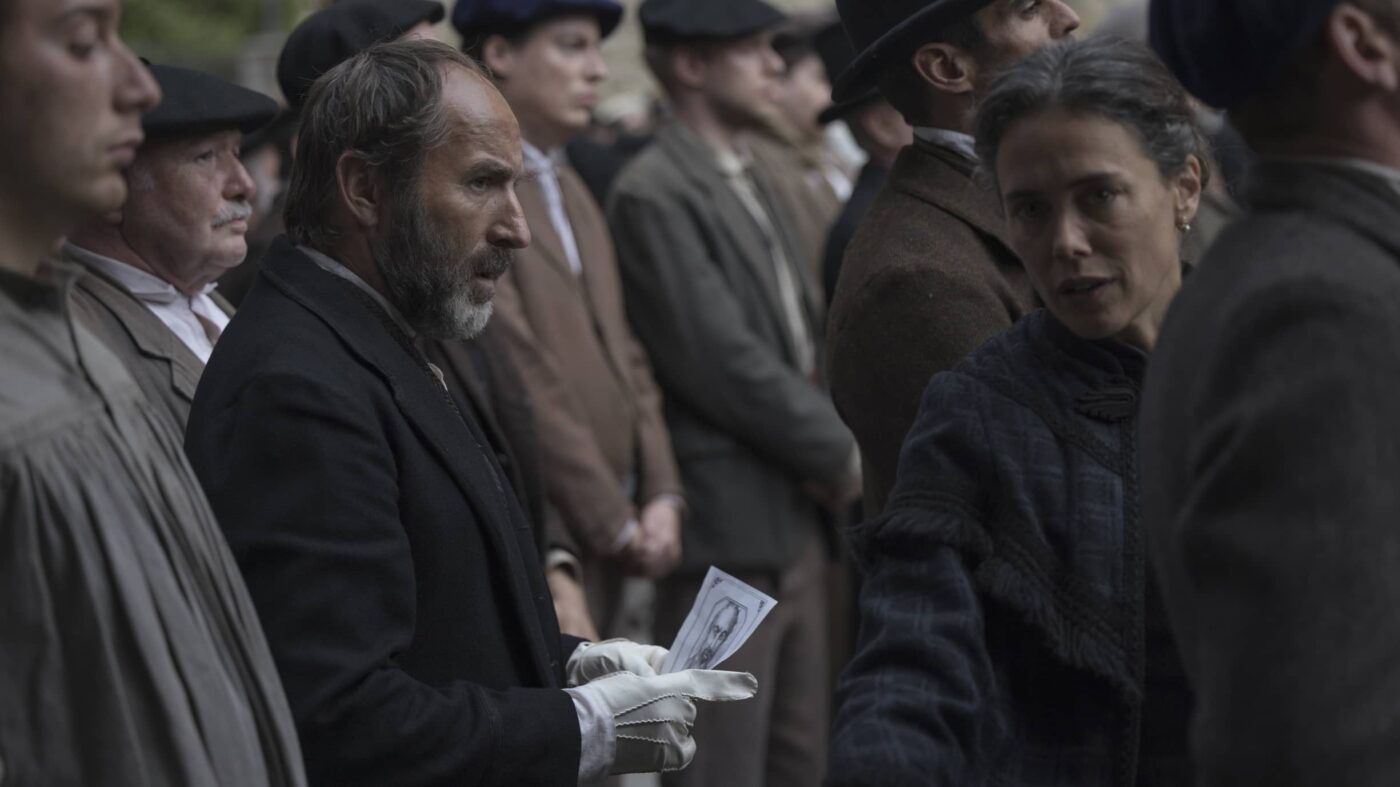
What lighting did you rely on for those narrow, dark streets that appear in the film?
That was a problem, because we struggled to find streets that hadn’t been altered too much and would work for the period. We shot a great deal in Rioja Alavesa, in towns such as Laguardia and Elciego, which have retained a less renovated appearance.
Streetlamps were complicated because in those days there were candle- and gas-powered lamps, which we didn’t have. So we relied on VFX whenever the streetlamps were visible and used LED panels for the lighting. I was very keen to achieve the flicker using real flames, so we brought along a large array of candles to place near the actors and produce that organic effect. But on the first day of testing, a very good lighting technician on our crew showed me how he created a fire effect, so we decided to use programmed effects instead. These days you can work wonders with all kinds of fixtures.
In the night scenes, such as when Ángela meets the night watchman in those alleyways, there is a mixture of cold night light and the warmth of lanterns. How did you light them?
When you shoot at night, there’s always the dilemma of how to handle moonlight. Those very blue moonlit scenes people create seem artificial to me and take me somewhere else. They can work on certain projects, but here we were after something different, even though you inevitably have to use artificial light. That’s what I generally find most difficult: making it believable to myself.
So we kept asking ourselves how to preserve naturalism in the night scenes, because if you’re faithful to those situations, you can hardly see anything. We achieved that more successfully in some scenes than in others, but we tried to keep the light as un-blue as possible. Even so, when you combine it with warm sources, however little blue you use, the contrast makes it more noticeable. It’s difficult to light night scenes realistically. I looked at lots of examples of night scenes to work out the direction we wanted to take. The night scenes in The Witch (Robert Eggers, 2015), for instance, are spectacular to me.
“I usually work with a Rec. 709 LUT. I create the colour I want through white balance and the colour I establish on set.”
What led you to choose the combination of the ARRI ALEXA 35 and Canon K35 lenses? Did you carry out camera tests?
Initially, we wanted to shoot on 35 mm film, because we’d shot our short films on 16 mm and we love photochemical film. But the film involved a huge amount of VFX, mainly removals. Although the producers were very understanding and told us that, in principle, we could shoot on 35 mm, David and I had a moment of taking responsibility and realised that, while we loved 35 mm, we also wanted a certain degree of comfort in making the film. We didn’t want to drive ourselves crazy, get into difficulties or put the VFX department in a difficult position when it didn’t have an enormous budget. We made a practical, sensible decision and chose to shoot digitally.
Of the digital cameras, the one that best captures the naturalism we’re looking for is the ALEXA 35. It has very wide dynamic range, is very comfortable to work with and, frankly, I think it’s difficult to make a bad image with that camera.
We were also tempted to shoot with anamorphic lenses, but we find them difficult to work with. With spherical lenses you can choose to be more or less stylised. Anamorphic, by contrast, is like a suit you can’t take off when you want to, because the barrel distortion and the bokeh give it a very particular aesthetic.
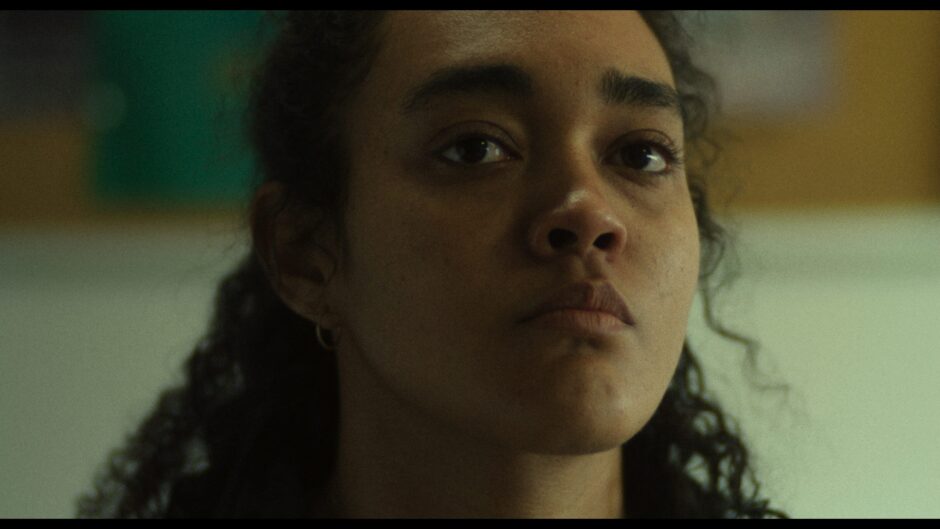
We tested many lenses, including Hawks and Canon K35s. We chose the K35s because they’re very soft and organic, with a level of definition I really like.
I remember some very delicate bokeh in the close-ups of Antonio de la Torre…
The lenses have definition, but the edges are very soft and I think their colour rendition is spectacular. Also, since we couldn’t shoot on film, the texture of these 1970s lenses took us closer to that ‘Barry Lyndon’ aesthetic we were aiming for.
Shooting with candles in the frame can sometimes be complicated. How did you approach it on ‘Sacamantecas’?
Yes, it’s complicated, but not because of light levels: with the ALEXA 35 and its Enhanced Sensitivity (ES) ISO mode, you can shoot using candles alone. The thing is, lighting with candles and having very long shadows across people’s noses, as in the 1930s, is difficult for me. Digital cinema has accustomed us to adding a lot of fill, retouching and shaping contrast to our liking.
That less controlled quality of very old films is harder to accept, because our visual education is different. I tried to achieve it, and it frustrates me that I didn’t manage it, because in the end you start adding fill and using other things. Although I love classic cinema, we’re a product of our generation and are influenced by its aesthetics. Going back to Robert Eggers and his cinematographer Jarin Blaschke, I think they’re very brave in ‘The Lighthouse’ (2019), because they use period lighting, with very hard shadows and extremely long nose shadows.
How do you like to work with colour? How did you approach it during preproduction and in the grading suite?
I usually work with a Rec. 709 LUT, because I prefer to start from something more neutral. I create the colour I want through white balance and the colour I establish on set. I don’t like working with overly elaborate looks, because sometimes you lose a little perspective and aren’t entirely sure where you stand in terms of contrast.
We graded at Antípodas Film Lab with Juan Ventura, using DaVinci Resolve. The challenge there was grading in HDR, because platforms always ask for it now. In HDR everything looks very bright and striking, but when you convert it for theatrical projection you have to run a lot of tests, because the contrast isn’t exactly where you want it. And although there are programs that perform the conversion, a human eye still has to come in afterwards to make it look the way you want. I’m happy with the result, but I found it difficult to trust that conversion and not have complete control over the projected image.
SYNOPSIS
Nora Álava, late nineteenth century. As the Third Carlist War draws to a close, several women are found strangled on the outskirts of Vitoria. Ángela Berrosteguieta, the sister of one of the victims, arrives in search of justice, determined to prove that Juan Díaz de Garayo, an illiterate peasant, is responsible for the crimes. But Pío Pinedo, the chief of the bailiffs, faces a shortage of resources in wartime and pressure from the authorities, who would rather conceal the growing wave of murders.
TECHNICAL SPECIFICATIONS
Camera: ARRI ALEXA 35
Lenses: Canon K35
Aspect ratio: 2.35:1
KEY CREW
Production companies: La Claqueta PC, Amania Films, La Cruda Realidad, Caviar Films
Director: David Pérez Sañudo
Screenplay: David Pérez Sañudo, Sergio Granda
Cinematography: Kenneth Oribe
Production design: Lita Echeverría
Colour grading: Juan Ventura